EN
EN



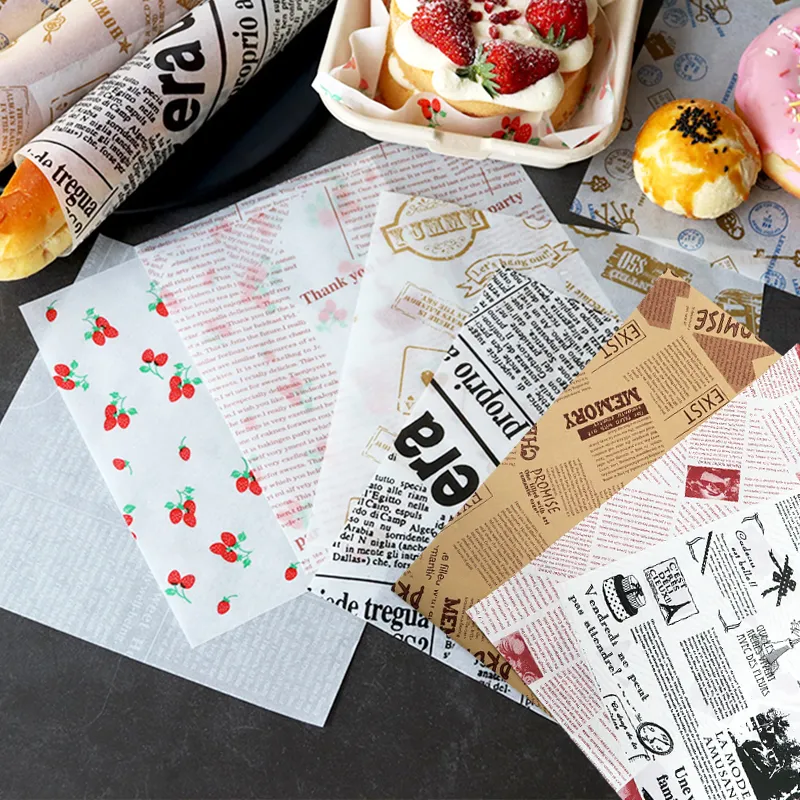
In a busy restaurant, the table surface is one of the highest-contact zones in the entire dining environment. Between seatings, staff must wipe down tables, but a quick spray-and-wipe routine on a reusable vinyl or fabric placemat leaves a significant hygiene gap.
Microbiological studies conducted in food service settings have shown that reusable placemats can harbor bacteria in micro-scratches and seam crevices, particularly when cleaning protocols between seatings are rushed. A disposable paper placemat eliminates this risk entirely by providing a fresh, single-use surface for every guest. Once the meal is finished, the placemat is disposed of along with the paper napkins and other table waste, ensuring the next guest receives a completely clean, germ-free dining space.
This single-use model is especially valuable in quick-service restaurants, cafeterias, and casual dining establishments where table turnover is measured in minutes rather than hours. Beyond the hygiene benefit, switching to bulk paper placemats also drastically reduces the labor cost associated with laundering cloth placemats, which requires collection, washing, drying, ironing, and redistribution—a process that adds measurable per-cover costs to every meal service.
What Makes a Paper Placemat Food-Safe and Fit for Restaurants?
Not all paper is suitable for direct food contact on a dining table. A commercial restaurant-grade paper placemat must meet several strict packaging and manufacturing specifications:
-
Food-Grade Pulp: The paper should be produced from premium food-grade pulp with no recycled content that could introduce contaminants, unless the recycled fiber has been specifically tested and certified for food contact safety (FSC-certified paper placemats are highly recommended).
-
Eco-Friendly Inks: The printing inks must be low-migration and free from heavy metals, typically achieved through the use of soy-based or water-based inks rather than solvent-based alternatives.
-
Heat & Liquid Resistance: For establishments serving hot dishes, the placemat must have adequate heat resistance so it does not warp, discolor, or transfer ink. Common paper weights range from 80gsm to 120gsm for standard single-sheet designs, and up to 200gsm for premium upscale dining.
-
Wet-Strength Additives: Many food service operators specify that the placemat surface should have a degree of liquid resistance. This prevents condensation from a cold drink glass from immediately soaking through and causing the paper to tear, usually achieved via food-contact-approved wet-strength additives.
(Looking for certified eco-friendly table settings? Explore our range of Custom Food-Grade Paper Placemats designed for high-turnover restaurants.)
The Operational Case: Disposable Paper Placemats vs. Cloth
From a restaurant operations perspective, the decision to use eco-friendly paper placemats involves a direct trade-off calculation between consumable costs and labor costs.
A cloth placemat program requires an inventory of at least three to four sets per table to cover the rotation between use, laundry, and storage. The per-use cost of a cloth placemat—when factoring in laundry service fees, replacement due to staining or wear, and the labor to manage inventory—can range from USD 0.08 to USD 0.15 per cover depending on the region.
In contrast, ordering custom-printed paper placemats in bulk (quantities of 10,000 to 100,000 units) typically reduces the cost to between USD 0.02 and USD 0.05 per piece delivered. There are no ongoing laundry or inventory management costs beyond basic storage space.
The total per-cover cost of a paper placemat program is often 40 to 60 percent lower than that of a cloth alternative. This financial advantage, combined with the reduced risk of negative customer reviews caused by stained or worn textiles, makes single-use paper an operationally compelling choice for family restaurants, diners, hospital cafeterias, and corporate canteens.
How Custom Printing Turns a Placemat into a Marketing Asset
A custom paper placemat is far more than a hygiene tool; it is one of the largest printable surfaces directly in front of your customer. Smart operators utilize this space to communicate with guests during natural waiting periods.
A branded placemat can effectively feature the restaurant's menu highlights or promote seasonal specials, display a loyalty program QR code or advertise upcoming events, and feature kids' activities such as coloring sections, mazes, and puzzles on the reverse side to keep younger guests entertained, which demonstrably increases average table dwell time and per-cover spend.
Unlike table tents or menu inserts, a placemat occupies the guest's entire visual field during the meal, making it a high-exposure marketing channel. The investment in custom offset lithography or digital printing typically adds less than USD 0.01 to the per-unit cost, making it one of the lowest-cost advertising tools available to a food service business.
Case Study: How a Casual Dining Chain Optimized Table Turnover
A 50-location casual dining chain operating in the United States was receiving recurring customer complaints about stained table settings, particularly during peak weekend lunch hours when table turnover was highest. The chain had been using dark-colored fabric placemats that were laundered weekly, but food stains and watermarks inevitably accumulated between deep cleans.
The operations team tested a switch to custom wholesale paper placemats across 10 pilot locations. The new placemats were printed on 100gsm food-grade paper with a subtle wet-strength treatment, customized with the chain’s logo, a QR code linking to their loyalty app, and children's games on the back.
Over the six-week pilot, the 10 test locations reported a 22% reduction in table-related customer hygiene complaints, an 8% increase in loyalty app sign-ups via the placemat QR code, and a net cost saving of approximately USD 1,200 per location per month due to the elimination of laundry fees and fabric replacements.
Following the pilot's success, a full rollout was approved across all 50 locations, significantly boosting both mystery shopper hygiene scores and measurable marketing ROI.
Environmental Considerations: Recycling and Composting
The sustainability profile of a biodegradable paper placemat depends entirely on procurement choices. A placemat made from FSC-certified virgin fiber printed with water-based inks and manufactured without plastic lamination can be seamlessly recycled in standard paper waste streams, provided it is not heavily contaminated with food residue.
For food service operators in regions with commercial composting infrastructure, uncoated paper placemats produced without synthetic additives are excellent candidates for industrial composting (compliance with standards like EN 13432 or ASTM D6400 should be verified with your manufacturer).
Specifying placemats that are both recyclable and sourced from responsibly managed forests allows restaurant groups to easily document the environmental attributes of their consumable packaging, meeting the growing requirements of corporate ESG compliance and eco-conscious consumers alike.
Frequently Asked Questions About Paper Placemats
Are paper placemats safe for direct food contact? Yes, provided they are manufactured to strict food-grade specifications. Restaurant-grade paper placemats should be produced from toxin-free virgin pulp, printed with low-migration soy-based or water-based inks, and completely free from heavy metals or harmful chemical additives. Always request food safety compliance test reports from your packaging supplier.
What paper weight is best for a restaurant paper placemat? For most casual and fast-casual dining applications, a paper weight between 80gsm and 120gsm provides the optimal balance of durability and cost efficiency. Weights below 80gsm may tear too easily when exposed to spills. For upscale casual restaurants seeking a more premium feel, 150gsm to 200gsm stock is available.
How should paper placemats be stored to maintain quality? Paper placemats must be stored in a cool, dry, climate-controlled environment away from direct sunlight and moisture to prevent the paper from absorbing humidity (which causes warping or curling). Keep placemats in their original bulk packaging until needed, and rotate inventory on a first-in, first-out (FIFO) basis.
Partner with a Leading Custom Paper Placemat Manufacturer
Boost your restaurant's hygiene, enhance your brand visual identity, and lower operational overhead with premium table settings. As an expert OEM/ODM factory, CWPackage provides high-quality, FSC-certified, and custom-printed disposable paper placemats tailored to your business needs.
Contact our team today to get a free sample and bulk wholesale quote!
Table of Contents
- What Makes a Paper Placemat Food-Safe and Fit for Restaurants?
- The Operational Case: Disposable Paper Placemats vs. Cloth
- How Custom Printing Turns a Placemat into a Marketing Asset
- Case Study: How a Casual Dining Chain Optimized Table Turnover
- Environmental Considerations: Recycling and Composting
- Frequently Asked Questions About Paper Placemats
- Partner with a Leading Custom Paper Placemat Manufacturer