EN
EN



Elevating Dining Experiences: The Strategic Value of Custom Branding Elements
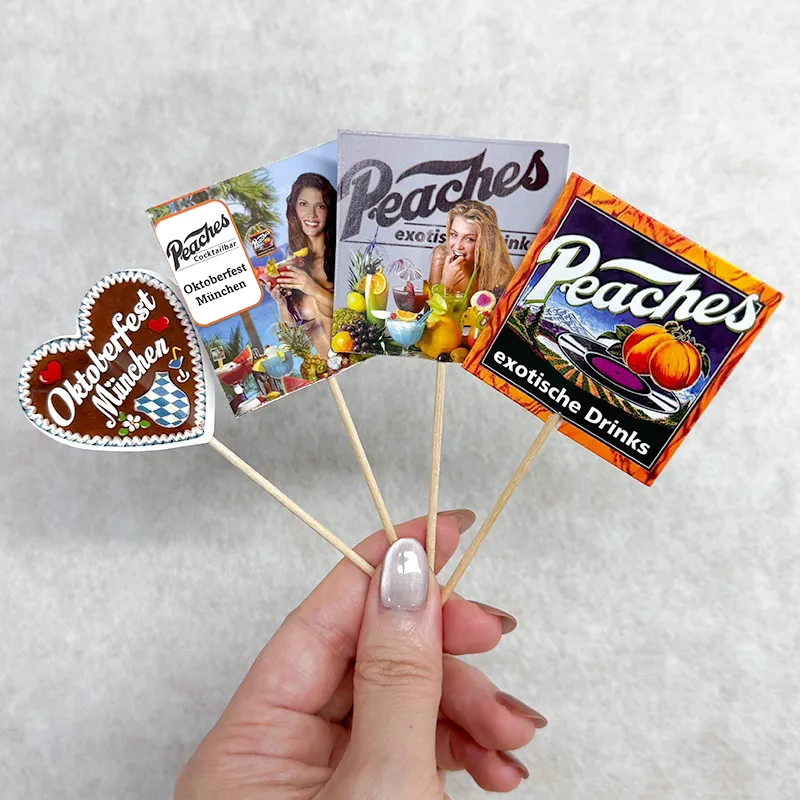
In the refined world of modern food service, the impact of a dining experience often resides in the cohesion of small, thoughtful details. While menus and service standards remain foundational, the physical presentation of food functions as a primary point of non-verbal communication with guests. Professional hospitality providers have long recognized that elements like custom-designed flags are not merely decorative afterthoughts; they are sophisticated components that bridge the gap between operational needs and comprehensive brand expression.
Bridging Function and Aesthetic Excellence
From a technical standpoint, the design and material integrity of food-contact markers are paramount. In professional culinary environments, visual presentation acts as a manifestation of a brand’s commitment to quality. The integration of custom-designed flags transforms standard offerings or handheld items into cohesive signature pieces. Expertise in printing technology allows for high-definition logos, intricate color matching, and thematic designs that align precisely with the atmosphere of an event or a restaurant’s identity. Utilizing high-quality, FSC-certified paper and food-grade inks ensures that the presentation remains visually striking while adhering to international safety standards. When operators incorporate such deliberate details, it signals a level of professional commitment that guests recognize as a hallmark of a high-quality establishment.
Utilizing Tabletop Elements for Communication and Safety
Beyond visual appeal, tabletop elements serve as indispensable assets in navigating the complexities of modern food service environments. The growth in dietary awareness—ranging from ingredient sensitivities to specific plant-based or dietary preferences—requires clear, consistent communication at the table level. Instead of relying solely on verbal exchanges, which are prone to misinterpretation, visual identification provides a reliable, consistent method for information relay.
Incorporating well-designed, clearly identified markers reduces the burden on service staff while simultaneously increasing guest confidence. In settings with diverse menu requirements, properly placed and identified markers eliminate the need for repeated questioning, thereby smoothing the flow of service and demonstrating a profound dedication to guest comfort. This proactive approach to ingredient transparency is a core element of building lasting trust, positioning a service brand as both responsible and highly attentive to guest needs.
Mastering Brand Positioning Through Tabletop Real Estate
Tabletop space represents valuable real estate for any food-focused brand. Every guest interacting with a meal engages with the items present on the table. Custom-branded elements effectively act as subtle, organic brand touchpoints. When designed with a focus on brand identity—utilizing consistent typography, specific color palettes, and intentional logo placement—these items reinforce brand recall in a non-intrusive, natural manner.
Hospitality marketing experts emphasize that consistent branding across all touchpoints is the key to building enduring customer loyalty. In competitive markets, differentiation is often won through the cumulative impact of hundreds of tiny, well-executed details. A custom item featuring a brand’s emblem or a unique, event-specific design creates opportunities for organic engagement, as guests are frequently inclined to appreciate and share visually interesting presentations. This generates a level of authentic brand visibility that traditional advertising rarely matches.
Global Standards and Material Responsibility
Catering to international audiences requires an understanding of diverse cultural preferences and regulatory environments. A professional approach to production involves selecting materials that are sustainably sourced, reflecting the global trend toward eco-conscious hospitality. European and North American markets, in particular, place a high value on transparency throughout the entire supply chain. Ensuring that every component—from the base materials to the adhesive and ink—meets stringent health and safety regulations, forms the foundation of long-term partnership in this industry.
When food service professionals collaborate with established producers, they gain access to refined manufacturing capabilities. The technical processes—involving precision die-cutting, automated production lines, and rigorous oversight—allow for the mass production of uniform, high-quality items that maintain the artistic integrity of the original design.
Delivering Consistency Through Robust Supply Chain Partnerships
The consistency of brand presentation relies heavily on the reliability of the underlying supply chain. For restaurant groups, hotel chains, and professional caterers, the ability to maintain exact color fidelity and quality standards across multiple locations is critical. This is where deep industry experience becomes a decisive factor.
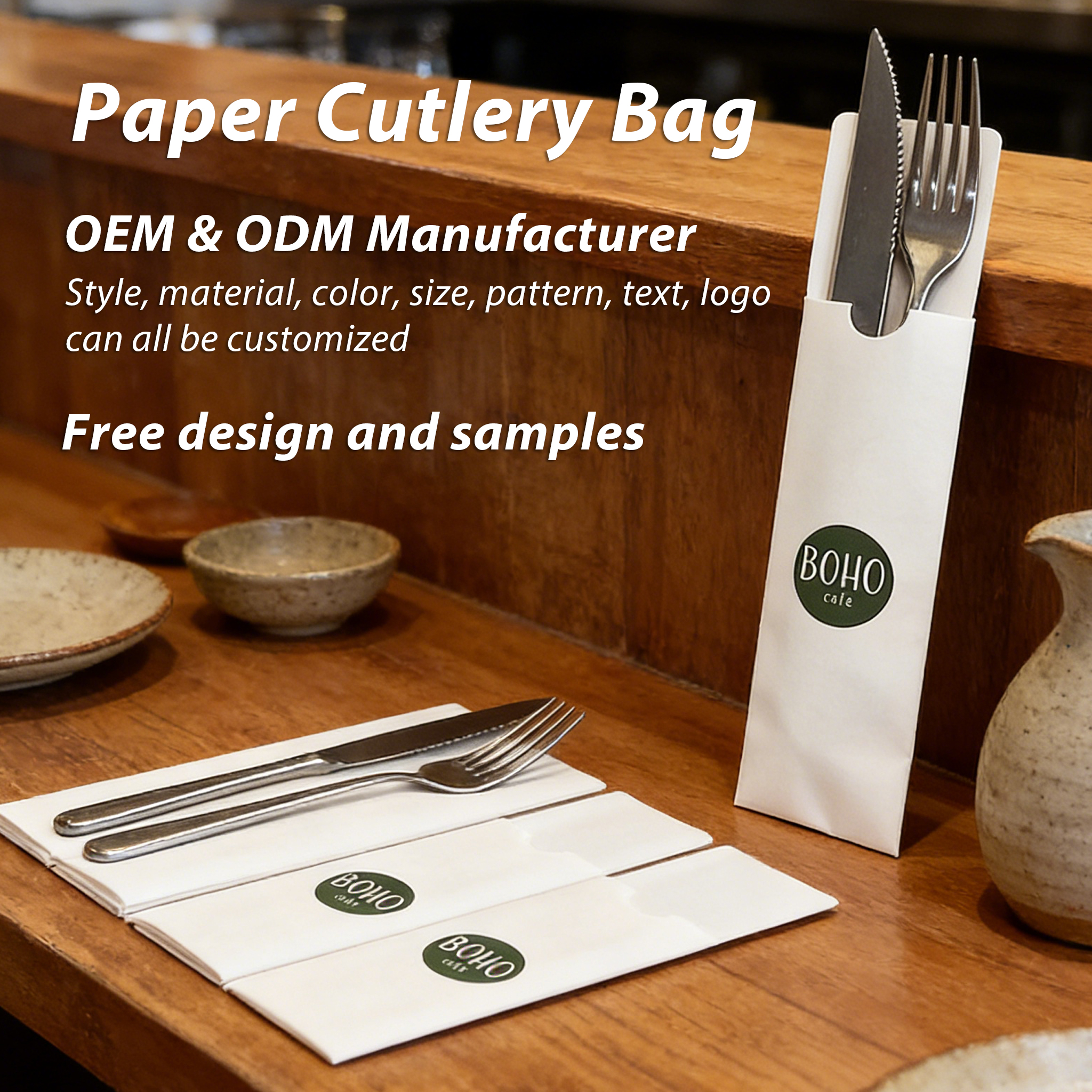
CW Package exemplifies this balance of technical capability and service excellence. With over three decades of experience in the printing and packaging industry, the manufacturing processes at CW Package are engineered to meet the needs of global brands while remaining agile enough to support specific, batch-level customization. By integrating design assistance, rigorous oversight, and a comprehensive understanding of international health standards, the supply chain services provided by CW Package ensure that every flag, coaster, or packaging element serves as a seamless extension of the client's brand. Partnering with a manufacturer that possesses deep expertise in these areas allows food service operations to focus on their primary objective—delivering exceptional culinary experiences—while trusting that the supporting elements are handled with the highest level of professional care. The intersection of technical mastery, commitment to safety, and an understanding of market trends is what distinguishes a truly professional operation in the modern food service landscape.
Table of Contents
- Elevating Dining Experiences: The Strategic Value of Custom Branding Elements
- Bridging Function and Aesthetic Excellence
- Utilizing Tabletop Elements for Communication and Safety
- Mastering Brand Positioning Through Tabletop Real Estate
- Global Standards and Material Responsibility
- Delivering Consistency Through Robust Supply Chain Partnerships