EN
EN



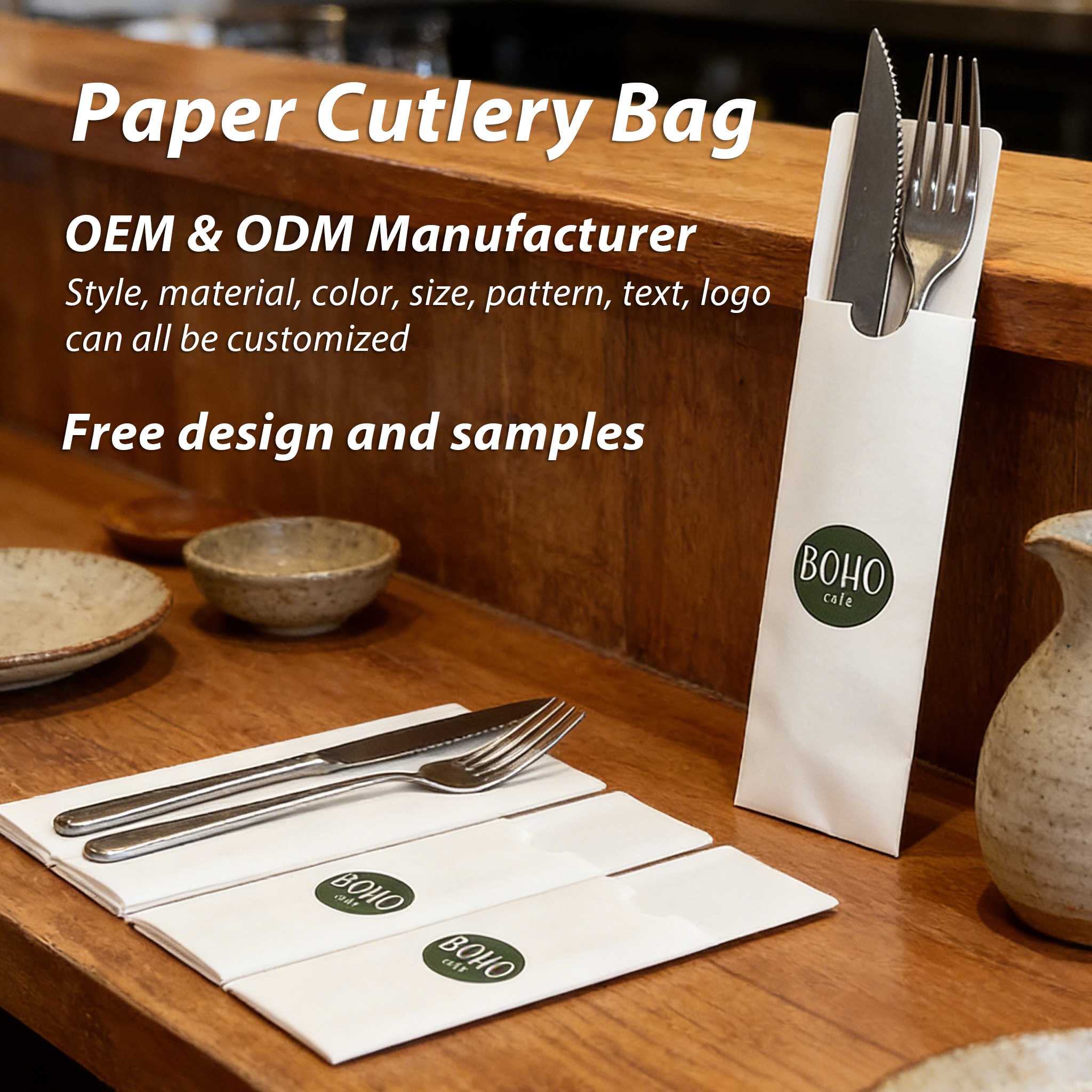
Korzyści środowiskowe wynikające z użycia papierowych toreb na sztućce
Odnawialne źródła surowców i produkcja o niskim wpływie na środowisko toreb na sztućce
Torby na sztućce z papieru mają kluczową zaletę z punktu widzenia zrównoważonego rozwoju: są produkowane z masy drzewnej pozyskiwanej z lasów certyfikowanych zgodnie ze standardami takimi jak FSC® lub PEFC™ — co gwarantuje odpowiedzialne odnawianie zasobów znacznie szybsze niż w przypadku paliw kopalnych wykorzystywanych przy produkcji tworzyw sztucznych. Produkcja wymaga mniejszego zużycia energii na jednostkę niż folia polietylenowa, co przekłada się na niższe emisje gazów cieplarnianych. Wiele nowoczesnych fabryk papieru stosuje zamknięte obiegi wody oraz zasila swoje zakłady energią pochodzącą z biomasy, co dalszym stopniem ogranicza wpływ na środowisko. Ponieważ drzewa pochłaniają CO₂ w trakcie wzrostu, włókna tworzące każdą torbę skutecznie wiążą węgiel w całym cyklu życia produktu. Wybór papieru wspiera łańcuch dostaw oparty na odnawialnych surowcach i ograniczający wyczerpywanie zasobów.
Mniejszy ślad węglowy w porównaniu z alternatywami plastikowymi w cyklu życia torby na sztućce
W całym cyklu życia — od pozyskiwania surowców po końcowe wykorzystanie — torby na przybory stołowe z papieru generują zwykle o około 30% mniej emisji gazów cieplarnianych niż ich konwencjonalne odpowiedniki z tworzywa sztucznego, szczególnie w przypadku papieru pochodzącego z lasów certyfikowanych. Produkcja tworzyw sztucznych opiera się na ekstrakcji ropy naftowej i energochłonnym procesie rafinacji, podczas gdy papier wykorzystuje odnawialny, biologicznie aktywny surowiec, przetwarzany przy stosunkowo niskim zużyciu paliw kopalnych. Spłaszczone torby papierowe są również lżejsze i bardziej przestrzennie efektywne podczas transportu, co redukuje emisje związane z przewozem. Na etapie końcowego wykorzystania papier rozkłada się naturalnie w ciągu miesięcy — a nie stuleci — i ponownie wprowadza zmagazynowany węgiel do obiegu biologicznego, nie uwalniając mikroplastików. Ta kombinacja niższych emisji na etapie wstępnym oraz bezpiecznego rozkładu na etapie końcowym czyni papier wyraźnie rozwiązaniem przyjaznym klimatowi dla operatorów gastronomicznych.
Wykonanie funkcjonalne toreb na przybory stołowe w rzeczywistych warunkach użytkowania
Dobrze zaprojektowana torba na sztućce musi zapewniać spójną i niezawodną wydajność w codziennych warunkach eksploatacji. Integralność konstrukcyjna, możliwość przenoszenia w pozycji pionowej, odporność na wilgoć oraz ogólna trwałość decydują o tym, czy papier spełnia oczekiwania funkcjonalne bez utraty szybkości, bezpieczeństwa ani higieny.
Integralność konstrukcyjna i przenoszenie w pozycji pionowej w celu zwiększenia efektywności obsługi gastronomicznej
Skuteczne torby na sztućce umieszczają przyrządy kuchenne w pozycji pionowej, umożliwiając szybkie, jednoręczne pobieranie – co jest kluczowe w miejscach o dużym natężeniu ruchu, takich jak linie stołówki lub restauracje typu fast-casual. Ugięcie się lub zapadanie się torby prowadzi do rozlanego jedzenia, opóźnień oraz irytacji personelu. Zaszycia boczne z fałdami i wzmocnione zagięcia dna zapewniają zachowanie kształtu pod obciążeniem, nawet przy wielu ciężkich widelcach i nożach. Pojedyncza torba wykonana z papieru kraft o gramaturze 70–100 g/m² może bezpiecznie pomieścić do sześciu standardowych przyborów kuchennych bez rozerwania – zapewniając wygodę porównywalną z torebkami plastikowymi, przy jednoczesnej pełnej nadaje się do recyklingu i kompostowania tam, gdzie istnieje odpowiednia infrastruktura.
Odporność na wilgoć i trwałość w warunkach eksploatacji
W rzeczywistych warunkach gastronomicznych torby na sztućce narażone są na działanie pary, skroplin, wilgotnych blatów oraz przypadkowy kontakt z oleistymi lub schłodzonymi produktami. Nieobrobiona papierowa torba szybko by się osłabiła, dlatego producenci nanoszą na jej wewnętrzną powierzchnię pokrycie barierowe przeciwolejowe o dopuszczeniu do kontaktu z żywnością – lub, rzadziej, cienką warstwę wosku. Takie obróbki odpierają wilgoć i oleje, nie pogarszając przy tym możliwości kompostowania ani recyklingu. Niezależne badania wykazały, że papierowe torby z takim pokryciem zachowują ponad 90% wytrzymałości na rozciąganie po 30 minutach bezpośredniego kontaktu z wilgotnymi powierzchniami. Wynikiem jest trwała, czysta i odporna na warunki eksploatacyjne opakowanie – nawet w wilgotnych kuchniach, gdzie wylewy i para występują rutynowo.
Zarządzanie końcem życia torb na sztućce oraz ich potencjał cyrkularny
Kompostowanie przemysłowe, gotowość do recyklingu oraz możliwości ponownego wykorzystania
Torby na sztućce z papieru wspierają cele gospodarki obiegu zamkniętego dzięki trzem uzupełniającym sobie ścieżkom końcowego wykorzystania. W instalacjach kompostowania przemysłowego – certyfikowanych zgodnie z normami ASTM D6400 lub EN 13432 – rozkładają się całkowicie w ciągu kilku tygodni w kontrolowanych warunkach temperatury, wilgotności i aktywności mikrobiologicznej. Niezanieczyszczone torby mogą być łatwo przyjmowane przez standardowe systemy miejskiego recyklingu papieru, umożliwiając odzysk włókien i ich ponowne wykorzystanie w nowych produktach papierowych. Operatorzy i konsumenci mogą również przedłużać okres użytkowania wytrzymałych worków, wykorzystując je ponownie do organizacji małych narzędzi, artykułów biurowych lub materiałów rzemieślniczych. Aby zrealizować te korzyści, niezbędne są jasne instrukcje dotyczącej sposobu utylizacji umieszczone bezpośrednio na opakowaniu – kierujące użytkownika w stronę odpowiedniego kanału. Po połączeniu z programami zbioru w obiegu zamkniętym, które pozwalają na odzysk i przetworzenie włókien po zużyciu przez konsumenta, torby na sztućce z papieru pomagają zmniejszać ilość odpadów trafiających na wysypiska, oszczędzać surowce pierwotne oraz zamykać obieg wykorzystania opakowań.
Bezpieczeństwo żywności i zgodność z przepisami regulacyjnymi dotyczącymi worków na sztućce
Torby na sztućce muszą spełniać rygorystyczne przepisy dotyczące materiałów kontaktujących się z żywnością, aby zapewnić bezpieczeństwo konsumentów oraz zgodność z wymogami regulacyjnymi w poszczególnych rynkach. W Stanach Zjednoczonych FDA wymaga zgodności z przepisami 21 CFR 176.170 (dotyczącymi żywności wodnej i tłuszczowej) oraz 176.180 (dotyczącymi żywności suchej); w Unii Europejskiej rozporządzenie (WE) nr 1935/2004 reguluje wszystkie materiały przeznaczone do kontaktu z żywnością i wymaga przeprowadzenia badań migracji oraz stosowania się do pozytywnych wykazów substancji dopuszczonych do użycia. Globalnie uznane certyfikaty – w tym BRCGS Packaging Materials oraz ISO 22000 – potwierdzają, że producenci utrzymują skuteczne systemy zarządzania jakością i bezpieczeństwem. Aby torba mogła zostać zakwalifikowana jako bezpieczna dla żywności, powinna być wyprodukowana z masy celulozowej pierwszego stopnia (unikając potencjalnych zanieczyszczeń obecnych w włóknie z surowców wtórnych), drukowana nietoksycznymi farbami spełniającymi wymogi dotyczące migracji oraz zabezpieczana klejami bezpiecznymi dla żywności. Oficjalna deklaracja zgodności – obowiązkowa przy wprowadzaniu produktów na rynek unijny – musi być dostępna na potrzeby audytu. Te zabezpieczenia gwarantują, że każda torba na sztućce pozostaje bezpieczna przy bezpośrednim, krótkotrwałym kontakcie z żywnością przez cały okres jej zamierzonego użytkowania.
Często zadawane pytania
Z czego są wykonane torby na sztućce papierowe?
Tory na sztućce papierowe są wykonane z masy drzewnej pozyskiwanej z lasów certyfikowanych zgodnie ze standardami takimi jak FSC® lub PEFC™.
Jakie jest porównanie wpływu środowiskowego toreb na sztućce papierowe i plastikowe?
Tory na sztućce papierowe generują zwykle o około 30% mniej emisji gazów cieplarnianych w całym cyklu życia w porównaniu do konwencjonalnych odpowiedników plastikowych. Ponadto rozkładają się one naturalnie w ciągu kilku miesięcy, w przeciwieństwie do tworzyw sztucznych, które mogą rozkładać się przez stulecia.
Czy torby na sztućce papierowe są wytrzymałe i odporne na wilgoć?
Tak, nowoczesne torby na sztućce papierowe są wyposażone w powłoki zapobiegające przesiąkaniu tłuszczu lub cienkie warstwy wosku, które odpierają wilgoć i oleje, zachowując ich integralność oraz sprawność użytkową nawet w wilgotnych i mokrych warunkach.
Czy torby na sztućce papierowe można recyklingować?
Tak, nietzworzone torby na sztućce papierowe można poddać recyklingowi w ramach standardowych systemów miejskiego recyklingu papieru. Mogą one również zostać skompostowane lub ponownie wykorzystane do organizowania małych przedmiotów.
Czy torby na sztućce papierowe są bezpieczne do kontaktu z żywnością?
Tak, spełniają one surowe przepisy dotyczące materiałów kontaktujących się z żywnością, ustanowione przez organizacje takie jak FDA w Stanach Zjednoczonych oraz rozporządzenie UE (WE) nr 1935/2004. Wykonane są z masy celulozowej pierwszego stopnia i wykorzystują nietoksyczne, bezpieczne dla żywności materiały.
Spis treści
- Korzyści środowiskowe wynikające z użycia papierowych toreb na sztućce
- Wykonanie funkcjonalne toreb na przybory stołowe w rzeczywistych warunkach użytkowania
- Zarządzanie końcem życia torb na sztućce oraz ich potencjał cyrkularny
- Bezpieczeństwo żywności i zgodność z przepisami regulacyjnymi dotyczącymi worków na sztućce
- Często zadawane pytania