EN
EN



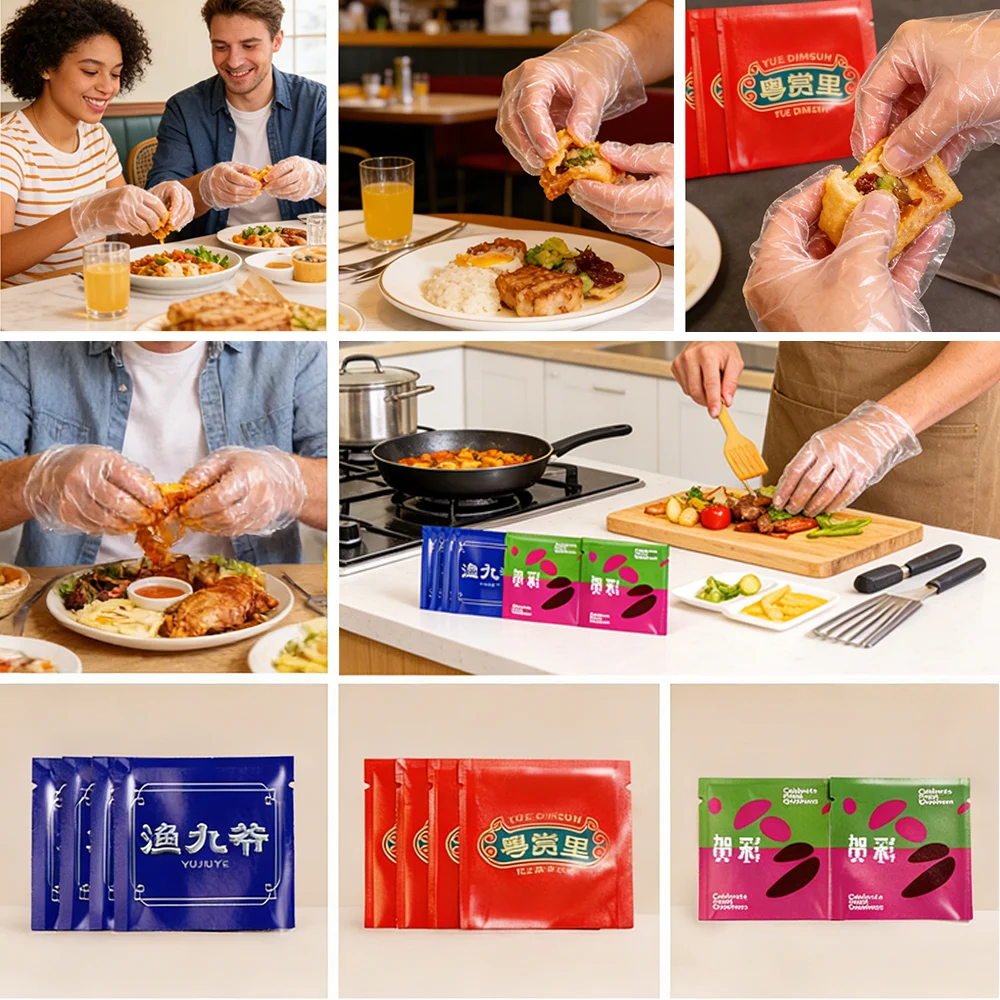
Svatko tko uzme hranu za ručno jelo ili sjedi na običan roštilj rijetko razmišlja o nevidljivim higijenskim rizicima na stolcu. Većina potrošača pretpostavlja da je sigurnost hrane u potpunosti upravljana unutar kuhinja restorana, ali rizici i dalje mogu doći do krajnjih korisnika kroz male zanemarene detalje. Prostrana promatranja na stotinama događaja u prehrambenim službama pokazuju da loše upravljane rukavice za jednokratnu upotrebu hrane postaju jedan od priznatih izvora unakrsne kontaminacije za goste. Mnogi ljudi imaju pogrešno uvjerenje da nošenje bilo koje rukavice automatski stvara potpunu sigurnost, dok javni zdravstveni zapisi napominju da nepravilno rukovanje rukavicama doprinosi mjerljivom udjelu slučajeva bolesti prenosi hrane na globalnim tržištima prehrambenih usluga. Rukavice služe kao zaštitna barijera, a ne kao čarobna popravka, a njihov stvarni zaštitni učinak u velikoj mjeri ovisi o kvaliteti materijala, obliku pakiranja i pravilima rukovanja. Za obične gostije, kvaliteta rukavica za jednokratnu upotrebu hrane izravno oblikuje skrivenu zdravstvenu izloženost tijekom žurki pržene piletine, naručivanja, okupljanja ulične hrane i velikih banketa. Čak i čiste ruke nose bakterije, ulje na koži i ostatke, a rukavice za jednokratnu upotrebu blokiraju izravni prijenos tih onečišćenja na posuđe koje je spremno za jelo. U slučaju da se korisnici ne budu držali rukavica, oni mogu se suočiti s žalbama kupaca i štetom ugleda, čak i ako se postupci pripreme kuhinje pridržavaju standardnih pravila rada.
Znanost o materijalima koja definiira stvarnu sigurnost hrane
Ne mogu se sve plastične rukavice koje se prodaju na trgovinskim policama direktno dodirnuti s hranom, a samo izgled površine ne može pouzdano pokazati kvalitetu. U skladu s člankom 3. stavkom 1. stavkom 2. Ovaj osnovni materijal ima osnovne fizičke prednosti uključujući kemijsku inertnost, nultu promjenu čudnih mirisa i prirodni sastav bez lateksa. Prenos mirisa predstavlja suptilnu ali stvarnu bolnu točku potrošača: niskokvalitetne rukavice izrađene od recikliranih sirovina mogu oslobađati slabe kemijske mirise koji mijenjaju prirodni okus morskih plodova, pečenog mesa i pečenog peciva. Izgradnja bez lateksa također uklanja rizike od alergijskih reakcija za osjetljive skupine, što je važan detalj za multikulturalne potrošačke skupine u različitim regijama. Otpornost na ulje je još jedna praktična tehnička osobina koja vrijedi primijetiti. Kvalitetne rukavice za jednokratnu upotrebu za hranu od PE-a održavaju stabilnu fizičku učinkovitost protiv masnih umakova i umjerene temperature za hranu spremnu za jelo. Jednostavne praktične provjere pomažu kupcima da filtriraju nekvalificirane proizvode: kvalificirane rukavice za sigurnost hrane trebaju imati jasan oznaku za kontakt s hranom, ne smiju imati oštar miris plastike i ne smiju se lomiti pri normalnom istezanju. Izbjegavanje provjere materijala nosi skrivene rizike i za poslovne operatore ugostiteljstva i za svakog krajnjeg potrošača koji uživa u svojim obrokima.
Zašto se individualno umotanom konstrukcijom mijenjaju rezultati higijene krajnjih korisnika
Standardne rukavice za jednokratnu upotrebu za pakiranje hrane donose očitu pogodnost za pripremu kuhinje, ali stvaraju neizbježne rizike izloženosti kada se kutije otvore za javne scenarije jela. Nakon otvaranja, lude rukavice ostaju izložene plutajućoj prašini, vlažnosti okoline i ponavljajućem kontaktu s rukama više osoblja ili gostiju. Primjerice, ako se u prostoriji za skladištenje kuhinje održava dobra higijena, u slučaju da se u njoj ne nalazi ništa, ona se može koristiti za održavanje. Jednomotno umotanim rukavicama za jednokratnu upotrebu hrane rešava se ova specifična bolna točka tako što se svaki par zapečata unutar neovisne zaštitne ambalaže do točnog trenutka konzumacije. Ovaj konstrukcijski dizajn blokira sekundarnu kontaminaciju tijekom skladištenja, prijevoza i predaje gostiju. Poslovci koji posluju u ugostiteljstvu mogu staviti pojedinačne jedinice na stolove za jelo, baciti zamotane rukavice u vreće za uzimanje ili ih distribuirati na događajima za hranu na otvorenom bez brige za zagađenje. Osim čiste higijene, ovaj dizajn poboljšava cjelokupno iskustvo kupaca. Gosti dobivaju netaknute, svježe rukavice svaki put, što gradi suptilno povjerenje prema restoranskim brendovima. Važno je zadržati realna očekivanja; individualno pakirani formati ne ukidaju sve higijenske rizike, ali znatno smanjuju mogućnosti kontaminacije na krajnjem potrošaču koji se suočava s poveznicom prehrambene usluge.
Prikladno i praktično djelovanje koje oblikuje iskustvo korisnika u stvarnom svijetu
Napredni materijali i pakiranje imaju ograničenu vrijednost ako se jednokratne rukavice za hranu osjećaju neugodno tijekom stvarnih aktivnosti u hrani. Pitanja potrošača prikupljena na svjetskim tržištima ugostiteljstva više puta ukazuju na slične frustracije: rukavice koje se raspadaju prilikom hvatanja masnih rebara, previše uske rukavice koje ograničavaju kretanje prstiju ili prevelike rukavice koje se iskrižu usred obroka. U skladu s člankom 3. stavkom 2. Pouzdane rukavice za jednokratnu upotrebu imaju ambi-destrusi oblik koji se uklapaju u obje lijeve i desne ruke. Imaju dobro kalibriranu debljinu koja kombinira fleksibilnost i otpornost na suze. U skladu s člankom 3. stavkom 2. točkom (a) Uredbe (EU) br. 528/2012 Europska komisija je odlučila o izmjeni Uredbe (EU) br. 528/2012 Europskog parlamenta i Vijeća. Dobro postavljene rukavice ostaju gotovo neopažene tijekom korištenja, što omogućuje gostima da se u potpunosti usredotoče na hranu umjesto da stalno prilagođavaju klizajuće ili razdvajaju rukavice. Ne samo da je loša podloga neugodna za kupce; rastrgane rukavice dovode do neočekivanih prekida i mogu ostaviti sitne plastične komadiće pomiješane s posuđem. U skladu s člankom 21. stavkom 1. točkom (a) Uredbe (EZ) br. 765/2008 Komisija je odlučila o uvođenju mjera za utvrđivanje odgovarajućih mjera za utvrđivanje mjera za utvrđivanje mjera za utvrđivanje mjera za utvrđivanje mjera za utvrđivanje mjera za utvrđivanje mjera za
U skladu s člankom 21. stavkom 1.
Konsistencija je jedna od najpotcenjenijih mjerila za rukavice za jednokratnu upotrebu u komercijalnim lancima hrane. U skladu s člankom 3. stavkom 1. stavkom 2. U skladu s člankom 3. stavkom 1. stavkom 2. U skladu s člankom 3. stavkom 1. stavkom 2. U skladu s člankom 21. stavkom 1. stavkom 2. CW Package ima desetljećima dugogodišnje iskustvo u industriji, usmjereno na jednokratne proizvode koji dolaze u kontakt s hranom, a upravlja automatiziranim proizvodnim radnim postupcima s potpunim sustavima upravljanja kvalitetom. Tim održava stroge inspekcijske procedure koje pokrivaju svaku proizvodnu fazu, i održava pouzdane globalne aranžmane za isporuku za ugostiteljstvo i partnere širom svijeta. U skladu s člankom 21. stavkom 1. stavkom 2.