EN
EN



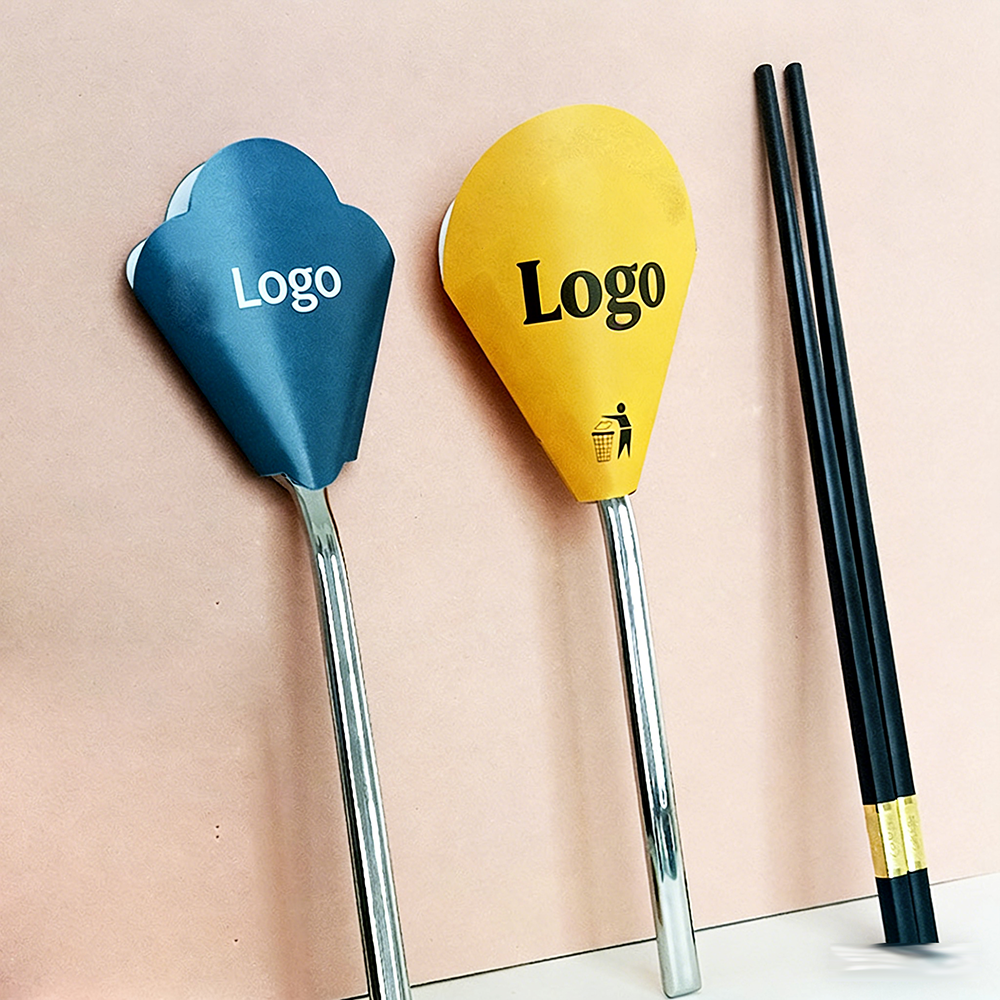
تعریف هویت برند خود را پیش از طراحی کیسه کاغذی انجام دهید
ترجمه لوگو، پالت رنگی و تایپوگرافی به ساختار و گرافیک کیسه کاغذی
کیسه کاغذی شما بهعنوان سفیر موبایل برند عمل میکند—اما فقط زمانی که عناصر اصلی هویت برند با دقت و تفکر مناسبی برای شکل فیزیکی آن تنظیم شدهباشند. ابتدا لوگوی خود را بهصورت متناسب مقیاسبندی کنید: قرارگیری مرکزی لوگو، طرحهای متوازن و متقارن را تقویت میکند، درحالیکه قرارگیری در گوشهها ظاهر مینیمال یا نامتقارن را تقویت مینماید. رنگها را دقیقاً مطابق با مراجع پانتون (Pantone) انتخاب کنید؛ کاربرد ثابت و یکنواخت رنگها شناسایی برند را تا ۸۰٪ افزایش میدهد (لوسیدپرس، ۲۰۲۳). نوعبندی (Typography) نیازمند ترجمهای است که با جنس ماده سازنده هماهنگ باشد—فونتهای اسکریپت (Script) در کاغذ کرافت متخلخل ممکن است بهدلیل جذب بیشازحد جوهر، تار و محو شوند، درحالیکه فونتهای بدون سریف (Sans-serif) با ضخامت بالا، وضوح و تأثیر بصری خود را حفظ میکنند. ویژگیهای ساختاری مانند درزهای تاخورده یا پایههای تقویتشده میتوانند بهصورت ظریفی هندسه زاویهدار لوگو را بازتاب دهند و ادامگی بصری را تقویت کنند. برای گرافیکها همواره از فایلهای برداری (Vector) استفاده کنید تا از پیکسلیشدن در مقیاسهای بزرگ جلوگیری شود و فضای منفی (Negative Space) را عمداً بهمنظور قاببندی شناسههای کلیدی بهکار ببرید.
تعادل بین مینیمالیسم و قابلیت دید عملکردی: زمانی که ظرافت برند ممکن است بهجای شناسایی، باعث کاهش آن شود
اجراي مینیمالیستی هرگز نباید بر قابلیت دید عملکردی تأثیر منفی بگذارد—بهویژه برای برندهایی که به معرض دید غیرفعال متکی هستند. برندهای لوکس میتوانند اندازه لوگوی خود را تا ۴۰٪ کاهش دهند بدون اینکه بر قابلیت یادآوری آن تأثیری بگذارد، مشروط بر اینکه هویت خود را از طریق اتصالات مشخص دسته یا بافتهای لامسه کاغذی منحصربهفرد تثبیت کنند (مجله بستهبندی، ۲۰۲۳). در مقابل، برندهای خدمات غذایی نیازمند قرارگیری برجسته لوگو در نزدیکی نقطه میانی عمودی کیسه هستند—منطقه «شیرین» ردیابی چشم که در حین حرکت ۶۷٪ توجه بصری بیشتری دریافت میکند. این تضادهای استراتژیک را در نظر بگیرید:
| روش طراحی | افزایش شناسایی | کاهش عملکرد |
|---|---|---|
| لوگوهای بزرگمقیاس | +۳۵٪ یادآوری | کاهش ظرفیت باربری |
| برجستهسازی ظریف | +۲۲٪ ادراک ارزش بالاتر | پوشش جوهر محدود |
| پارچه زیرلایه با تضاد رنگی | +۲۸٪ برچسبگذاری در رسانههای اجتماعی | هزینه تولید بالاتر |
هنگام دنبال کردن سلیقهٔ محتاطانه، اطمینان حاصل کنید که حداقل دو شناسهٔ برند—مانند لوگو به همراه رنگ امضا—از فاصلهٔ ۳ متر (۱۰ فوت) به وضوح قابل خواندن باشند. آزمایشهای میدانی نشان میدهند که کیسههایی که فاقد شناسههای واضح و پررنگ هستند، نرخ استفاده مجددی ۱۷٪ پایینتر دارند که این امر مستقیماً بر مواجهه بلندمدت با برند تأثیر منفی میگذارد.
انتخاب مواد پایدار و ویژگیهای کاربردی برای کیسهٔ کاغذی شما
کرافت در مقابل کاغذ سفید، محتوای بازیافتی و گواهینامهٔ FSC برای اصالت و انطباق
کاغذ کرافت استحکام طبیعی و اصالت زمینی را ارائه میدهد—که برای برندسازی زیستمحور ایدهآل است—در حالی که کاغذ سفید پایهای خنثی و با контراست بالا برای گرافیکهای پررنگ و تمامرنگ فراهم میکند. محتوای بازیافتی از منابع مصرفشدهٔ پس از مصرف (Post-Consumer) را حداقل ۳۰٪ در نظر بگیرید تا وابستگی به الیاف اولیه بهطور معناداری کاهش یابد، و گواهینامهٔ FSC را برای تأیید منشأ مسئولانه در سراسر زنجیرهٔ تأمین بررسی کنید. این ترکیب هم انتظارات نظارتی و هم تقاضای مصرفکنندگان برای پایداری قابلتأیید را بدون اینکه لزوماً در عملکرد یا وفاداری چاپ تناقضی ایجاد شود، برآورده میسازد.
گوشوارهها، کف تخت، انواع دستهها (پیچیده، روبانی، طنابی) و مصالحههای ظرفیت باربری
عملکرد از هوش ساختاری آغاز میشود:
- گوشوارهها حجم قابل گسترش اضافه میکنند، در عین حفظ فوتپرینت ذخیرهسازی فشرده
- کف تخت پایداری را برای اقلام سنگینتر یا اشیاء با اشکال نامنظم فراهم میکنند
-
گزینههای دسته تعادل بین زیباییشناسی، دوام و کاربرد خاص را برقرار میکنند:
- دستههای کاغذی پیچیده استحکام مقرونبهصرفهای برای بارهای متوسط ارائه میدهند
- دستههای روبانی با ظاهری ظریف و استحکام کششی متوسط، کیفیت درکشده را ارتقا میبخشند
- دستههای طنابی بالاترین سطح دوام را ارائه میدهند — ایدهآل برای کاربردهای خردهفروشی یا فروشگاههای مواد غذایی با بار سنگین
پنلهای جانبی تقویتشده میتوانند ظرفیت باربری را تا ۴۰ درصد افزایش دهند، اما وزن و مصرف مواد را نیز افزایش میدهند. هر ویژگی را در مقایسه با تعهدات پایداری برند شما و نیازهای کاربران نهایی—نه صرفاً ترجیحات زیباییشناختی—ارزیابی کنید.
بهینهسازی چاپ و سفارشیسازی سازگانبا محیطزیست برای حفظ وفاداری برند
چاپ دیجیتال، افست و UV روی سطح کیسههای کاغذی: وضوح، دقت رنگ و کارایی طول تیراژ
روش مناسب چاپ، وفاداری برند را در هر واحد و در تمام نقاط تماس تضمین میکند. چاپ دیجیتال برای تیراژهای کوتاه (کمتر از ۵۰۰ واحد) عالی عمل میکند و امکان تحویل سریع، شخصیسازی متغیر دادهها و جزئیات واضح با وضوح ۱۲۰۰ نقطه در اینچ را فراهم میسازد—که برای نسخههای محدود یا کمپینهای فصلی ایدهآل است. چاپ آفست هنوز هم استاندارد طلایی برای ثبات در تیراژهای بالا باقی مانده است و تطبیق دقیق رنگهای Pantone و بازتولید روان گرادیانها را در هزاران واحد ارائه میدهد. چاپ UV به دلیل دوام بالا برجسته میشود: فرآیند سختشدن فوری آن، گرافیکهای مقاوم در برابر خراش و رنگپریدگی ایجاد میکند که بهویژه روی سطوح بافتدار کرافت مؤثر است. زمان راهاندازی برای چاپ دیجیتال (چند دقیقه) مطلوبتر است، در حالی که چاپ افست از ۵۰۰ واحد به بعد به دلیل استهلاک صفحات، از نظر هزینهای مقرونبهصرفهتر میشود.
جوهرهای سویامحور و آبمحور و پوششهای مات/بازیافتی بهعنوان عوامل متمایزکننده پایداری
سفارشیسازی سازگانبا محیط زیست، تناقضی نیست— بلکه عاملی برای تقویت اعتبار است. جوهرهای آبمحور انتشار ترکیبات آلی فرار (VOC) را تا ۸۰٪ نسبت به جوهرهای حلالمحور کاهش میدهند (پونمون، ۲۰۲۳) در عین حفظ اشباع رنگ. جوهرهای سویامحور—که از محصولات تجدیدپذیر تهیه میشوند—زمان تجزیهپذیری سریعتری دارند و در ایجاد سیاههای عمیق و غنی روی کاغذهای بازیافتی عملکرد برجستهای از خود نشان میدهند. پوششهای آبی مات، پایانبندیهای ظریف و بدون انعکاس نور را فراهم میکنند. بدون بدون اینکه قابلیت بازیافت را تحت تأثیر قرار دهد—برخلاف لامینیتهای مرسوم یا وارنیشهای نفتی که جریانهای بازیافت را آلوده میکنند. برای بیشینهسازی تأثیر پایداری:
- پوششهای آبی را برای قابلیت کامل بازپالپشدن مشخص کنید
- نیاز به حداقل ۳۰٪ محتوای بازیافتی در زیرلایههای پوشش
- اجتناب کامل از افزودنیهای غیرقابل بازپالپسازی
برندهایی که این گزینههای سبز تأییدشده را اتخاذ کردهاند، امتیاز اعتماد مصرفکنندگان ۳۷٪ بالاتری گزارش کردهاند (گزارش مواد کفش ۲۰۲۴) — این امر اثباتی است بر اینکه انتخابهای مسئولانه بسیار فراتر از قفسهها نیز تأثیرگذار هستند.
سوالات متداول
چرا تعریف هویت برند پیش از طراحی کیسههای کاغذی حیاتی است؟
تعریف هویت برند اطمینان حاصل میکند که لوگو، پالت رنگی، تایپوگرافی و عناصر طراحی بهطور مؤثری در ساختار فیزیکی و گرافیک کیسههای کاغذی منعکس شوند و عملکرد را با زیباییشناسی همسو کرده و شناسایی برند را تقویت نمایند.
بهترین مواد برای کیسههای کاغذی دوستدار محیط زیست کداماند؟
کاغذ کرافت یا سفید با حداقل ۳۰٪ محتوای بازیافتی پس از مصرف، همراه با گواهینامه FSC، استحکام، اصالت و انطباق با استانداردهای پایداری را تضمین میکند.
روشهای چاپ چگونه بر سفارشیسازی کیسههای کاغذی تأثیر میگذارند؟
چاپ دیجیتال در تیراژهای کوتاه با زمان تحویل سریع برجسته است، در حالی که چاپ آفست برای حجمهای بالا، تطابق رنگ پایداری ارائه میدهد. چاپ UV مقاومت بالایی دارد، بهویژه روی سطوح کرافت با بافت.
چه نوع دستهای برای کیسههای کاغذی انتخاب کنم؟
دستههای کاغذی پیچیده برای بارهای متوسط مناسباند و از نظر هزینه و دوام مقرونبهصرفه هستند؛ دستههای روبانی ظاهر لوکس و باکیفیتی ایجاد میکنند؛ و دستههای طنابی برای کاربردهای سنگینتر، بیشترین استحکام را تضمین میکنند.
چگونه میتوانم حداقلگرایی را با قابلیت تشخیص برند روی کیسههای کاغذی متعادل کنم؟
حداقل دو شناسهٔ برندِ قابلمشاهده — مانند لوگو و رنگ مشخصهٔ برند — را بهکار ببرید تا از فاصلهای دور نیز قابل شناسایی باشند؛ این امر ضمن پذیرش طراحیهای حداقلگرا، شناسایی برند را حفظ میکند.
فهرست مطالب
- تعریف هویت برند خود را پیش از طراحی کیسه کاغذی انجام دهید
- انتخاب مواد پایدار و ویژگیهای کاربردی برای کیسهٔ کاغذی شما
- بهینهسازی چاپ و سفارشیسازی سازگانبا محیطزیست برای حفظ وفاداری برند
-
سوالات متداول
- چرا تعریف هویت برند پیش از طراحی کیسههای کاغذی حیاتی است؟
- بهترین مواد برای کیسههای کاغذی دوستدار محیط زیست کداماند؟
- روشهای چاپ چگونه بر سفارشیسازی کیسههای کاغذی تأثیر میگذارند؟
- چه نوع دستهای برای کیسههای کاغذی انتخاب کنم؟
- چگونه میتوانم حداقلگرایی را با قابلیت تشخیص برند روی کیسههای کاغذی متعادل کنم؟