EN
EN



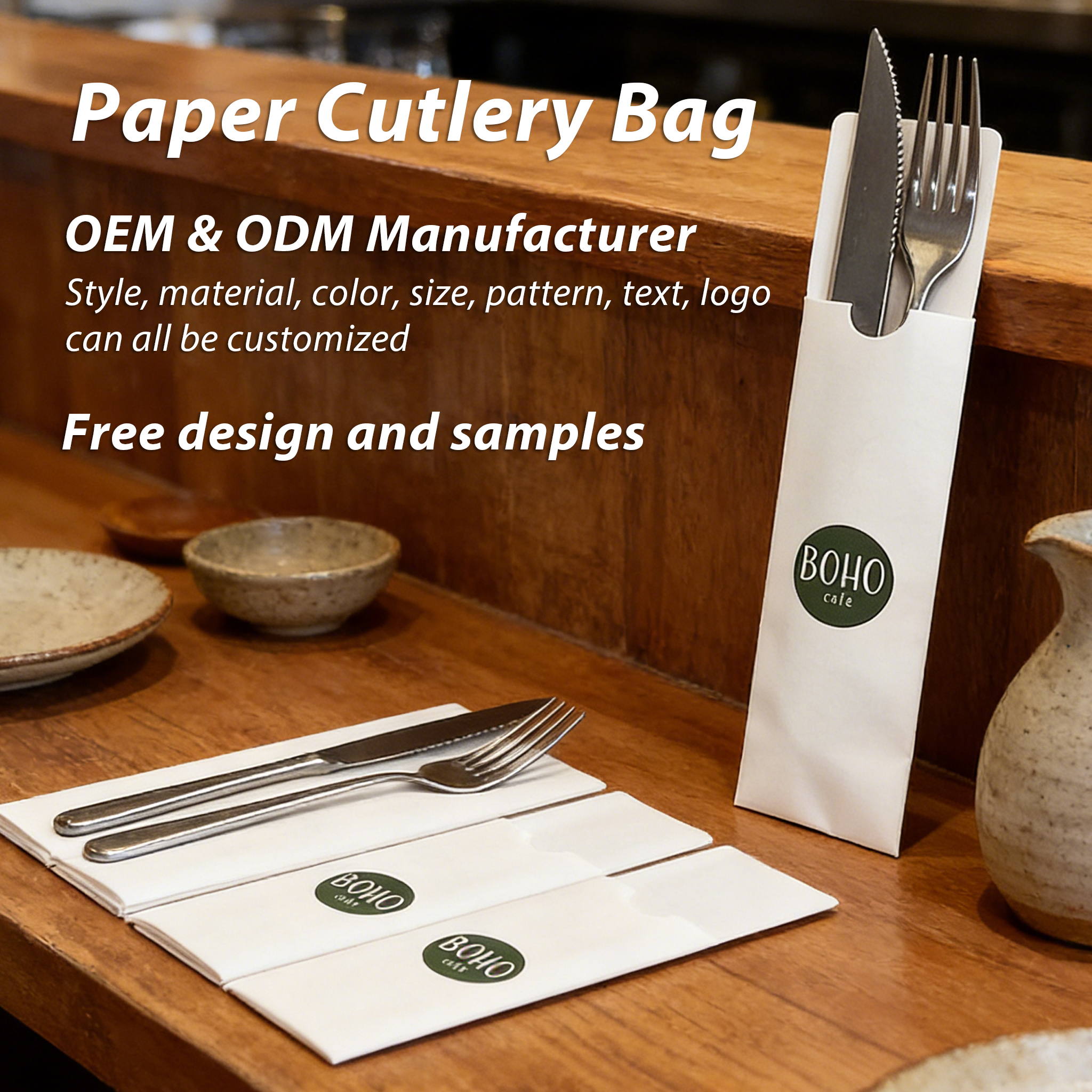
The Growing Demand for Sustainable Dining
In an era where environmental consciousness is no longer an optional preference but a global mandate, businesses across the food service industry are reevaluating their service strategies. The shift toward sustainable alternatives is most visible in the transition from plastic-based accessories to environmentally responsible options. A cutlery bag crafted from high-density paper represents one of the most effective ways for establishments to reduce their ecological footprint without compromising on hygiene or convenience. As consumers increasingly prioritize brands that demonstrate environmental stewardship, adopting biodegradable and compostable solutions has become a vital component of brand identity. By removing single-use plastics from the point of service, operators signal their commitment to a cleaner planet, directly aligning with the values of the modern, eco-aware diner. The decision to switch is rarely just about compliance; it is about meeting the sophisticated expectations of a customer base that demands transparency at every touchpoint.
Maintaining Hygiene Standards with Natural Materials
A common concern regarding sustainable materials is the balance between environmental responsibility and the necessity of strict hygiene. However, modern paper alternatives are engineered to maintain the highest standards of cleanliness, providing a robust protective barrier that keeps utensils free from airborne contaminants until the moment of use. Unlike plastic sleeves that often create static and attract dust in high-volume settings, premium-grade paper materials are treated to be durable, moisture-resistant, and chemically neutral. This ensures that every cutlery bag provides a sterile environment for forks, knives, and spoons. For restaurant managers and catering services, utilizing these paper-based solutions provides the peace of mind that safety remains uncompromised while simultaneously meeting corporate social responsibility goals. The physical barrier provided by high-quality fiber structures is scientifically validated to protect integrity during transit, making it a trusted choice for premium food delivery services.
The Versatility of Sustainable Design
Beyond simple utility, sustainable materials offer a level of design flexibility that synthetic options struggle to match. A well-designed paper cutlery bag serves as a subtle yet powerful branding asset, providing a tactile surface that conveys quality and thoughtfulness. Manufacturers can utilize eco-friendly inks and sustainably sourced paper stocks to create a professional look that enhances the overall dining experience. Whether for a quick-service cafe or a high-end delivery service, these items provide an opportunity to communicate a brand’s dedication to sustainability directly to the consumer. This customization capability transforms a mundane functional item into a purposeful marketing tool, proving that sustainability and aesthetic appeal can go hand in hand. In a crowded marketplace, the small details—such as the texture of a cutlery bag or the clarity of a logo—often serve as the deciding factor for recurring customers.
Streamlining Operational Workflow
From an operational perspective, the transition to paper items is surprisingly seamless and often leads to measurable improvements in service speed. Because these items are designed with modern, automated equipment in mind, they integrate easily into existing high-speed assembly lines. Staff can quickly insert utensils into a durable cutlery bag, and the lightweight nature of the paper reduces storage overhead and shipping bulk compared to bulky plastic alternatives. Furthermore, since these items are typically compostable or recyclable, the backend waste management process becomes significantly more efficient. By simplifying the handling and disposal of service items, businesses can improve their daily workflow while reducing the complexity of their waste streams. This is particularly relevant for large-scale operations where even minor gains in speed contribute to significant labor cost optimization over time.
Manufacturing Precision as a Foundation for Quality
The efficacy of sustainable materials is ultimately dependent on the manufacturing standards applied during production. Not all paper materials are created equal; the difference between a subpar product and a reliable, high-performance solution lies in the engineering of the fiber structure and the precision of the sealing process. By emphasizing high-precision manufacturing, suppliers can offer products that resist tearing and maintain their integrity throughout the delivery and service lifecycle. This commitment to production quality ensures that businesses can rely on their materials to perform consistently, protecting both their brand reputation and the utensils contained within. Superior engineering in the manufacturing process guarantees that the cutlery bag holds up during high-moisture or high-temperature transit conditions, which is essential for successful delivery operations.
Embracing a Greener Future for Food Service
As the regulatory landscape continues to shift away from single-use plastics, the transition to paper-based alternatives is an inevitable step for any forward-thinking establishment. By integrating sustainable options like the paper cutlery bag into daily operations, businesses take a proactive role in shaping a more responsible food service industry. This transition is about more than just compliance; it is about building a sustainable future where quality service and environmental health coexist. Consistency in supply chain management ensures that market fluctuations do not disrupt service, making the shift to eco-friendly options both a moral and a strategic victory.