EN
EN



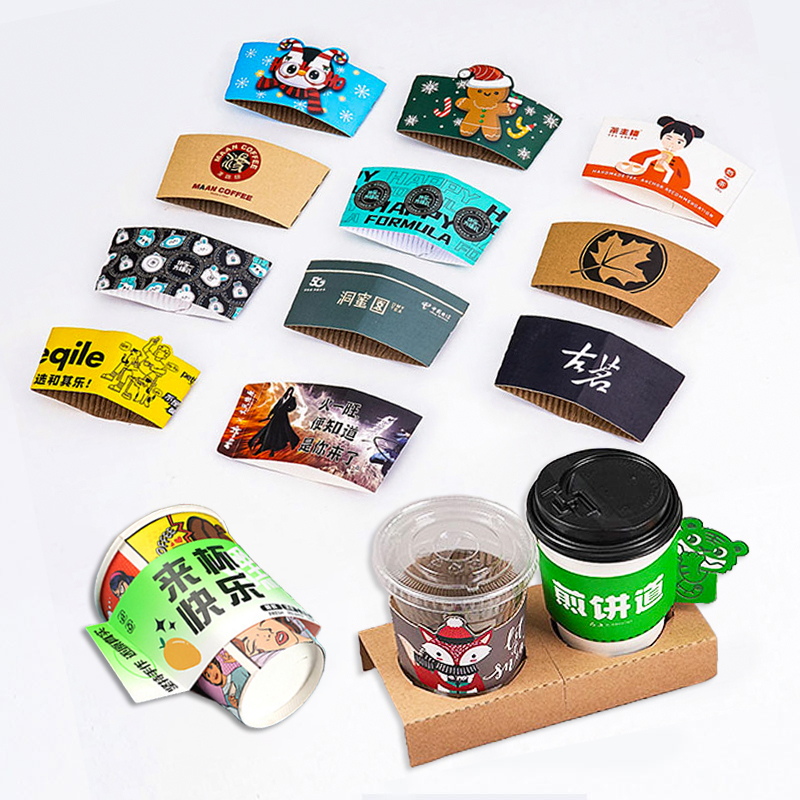
The Digital Gateway: Engineering High-Performance Beverage Insulation Infrastructure
In the hyper-connected service environment of 2026, the success of a beverage program is fundamentally determined by the safety and reliability of the delivery system at the moment of consumer handover. For operators, logistics directors, and enterprise catering procurement teams, the deployment of cup sleeve systems has evolved from a simple operational convenience to a critical technical asset. As beverage service volumes climb, the physical challenges posed by high-temperature liquid containment—specifically thermal transfer, structural grip instability, and the logistical failure of low-quality materials—have become central concerns for operational efficiency. Understanding how to engineer the perfect beverage-insulation solution requires moving beyond generic paper sourcing to evaluate the intersection of thermodynamics, material stiffness, and the logistical requirements of modern high-volume service.
The Engineering of Thermal Insulation Geometry
The fundamental utility of a professional-grade corrugated cup sleeve lies in its role as a high-performance thermal barrier. Unlike standard parchment or low-density flat paper, professional-grade corrugated substrates are engineered using a fluted cellulose matrix sandwiched between structural liners. This manufacturing process creates a microscopic network of stagnant air pockets that physically restricts the conduction of heat from the beverage container to the consumer’s hand. In professional service environments, where hot beverage service is common, the effectiveness of this barrier—often measured by the material’s thermal resistance (R-value)—determines whether the consumer experiences a comfortable grip or significant thermal discomfort. This level of technical precision ensures that the sleeve acts as a reliable buffer, maintaining the beverage’s internal temperature while protecting the user during the entire consumption window.
Precision Fabrication and Structural Stability
The most difficult challenge in modern beverage logistics is the maintenance of operational throughput under high-stress conditions. When large-volume beverage programs are scaled, the packaging interface must support high-speed assembly without compromise. A high-specification corrugated cup sleeve is engineered to be structurally optimized for rapid application; it features precisely cut channels and a consistent internal circumference that allows for seamless insertion onto various container sizes. This geometric precision ensures that the sleeve supports rapid service, preventing the operational bottlenecks and physical failures—such as structural collapse or "crush-through"—that frequently result from the use of lower-quality, high-porosity alternatives. By managing the packaging interface at the point of assembly, the infrastructure actively protects the beverage output, which in turn reinforces the brand’s reputation for reliability and operational excellence.
Manufacturing Rigor and Material Inertness
Quality in packaging infrastructure is a function of the manufacturing process and the purity of the substrate. Industrial-grade corrugated solutions require a precise balance of fiber density and adhesive integrity to ensure that the material remains perfectly inert, even when exposed to fluctuating temperature conditions or localized steam saturation during storage. In the commercial sector, consumer safety and chemical compliance are non-negotiable. Professional-grade substrates are manufactured to satisfy the most rigorous international food-contact safety standards, ensuring that there is zero chemical leaching or odor transfer to the beverage contact zone. When evaluating potential suppliers, engineering teams must prioritize the consistency of the fiber matrix; any irregularity in the paper density can lead to structural weakness, where the package fails to provide adequate insulation and compromises the safety standards established by the culinary team.
Fiscal Strategy and Long-term Brand Consistency
Choosing precision-engineered corrugated insulation infrastructure is a strategic fiscal move that bypasses the repetitive, high-failure cycle common in low-cost procurement. Logistics leaders often find that investing in packaging substrates engineered for extreme operational resilience is significantly more cost-effective than repeatedly managing the costs of "failed" service, such as product re-packing, assembly delays, or the loss of brand equity due to inconsistent presentation. A high-performance packaging interface is an asset that appreciates in its ability to support the institution’s operational legacy. By focusing on longevity and structural stability, organizations cultivate a culture that values consistency over short-term savings. This philosophy of supply chain management signals to stakeholders that the organization manages its logistics with the same level of care and deliberate strategy that it applies to its core commercial operations.
Infrastructure Excellence with CWPackage
Achieving this level of logistical excellence requires an industrial partner that balances traditional manufacturing standards with the rigorous demands of the modern food-service sector. CWPackage has solidified its reputation as a cornerstone of the professional packaging supply chain, providing businesses with robust, high-availability solutions for complex delivery and service requirements. By focusing on the intersection of advanced fiber science, precision substrate fabrication, and modular material consistency, CWPackage enables organizations to scale their service touchpoints with absolute confidence. When management teams integrate performance-driven packaging from a partner that emphasizes both structural integrity and functional reliability, they ensure their operations are optimized for the next generation of seamless service. CWPackage serves as the essential foundational link in the packaging infrastructure supply chain, providing the quality assurance and logistical stability necessary to turn automated beverage service into a cornerstone of institutional success.
Table of Contents
- The Digital Gateway: Engineering High-Performance Beverage Insulation Infrastructure
- The Engineering of Thermal Insulation Geometry
- Precision Fabrication and Structural Stability
- Manufacturing Rigor and Material Inertness
- Fiscal Strategy and Long-term Brand Consistency
- Infrastructure Excellence with CWPackage