EN
EN



ចិត្តវិទ្យានៃចំណុចទំនាក់ទំនងតូចៗដែលមានម៉ាក៖ របៀបដែលគ្រាប់ចំណាំងបណ្តាលឱ្យចាំបាន
ផលប៉ះពាល់នៃ 'ការមើលឃើញនៅពេលចុងក្រាយ' ក្នុងបរិបទសេវាអាហារ
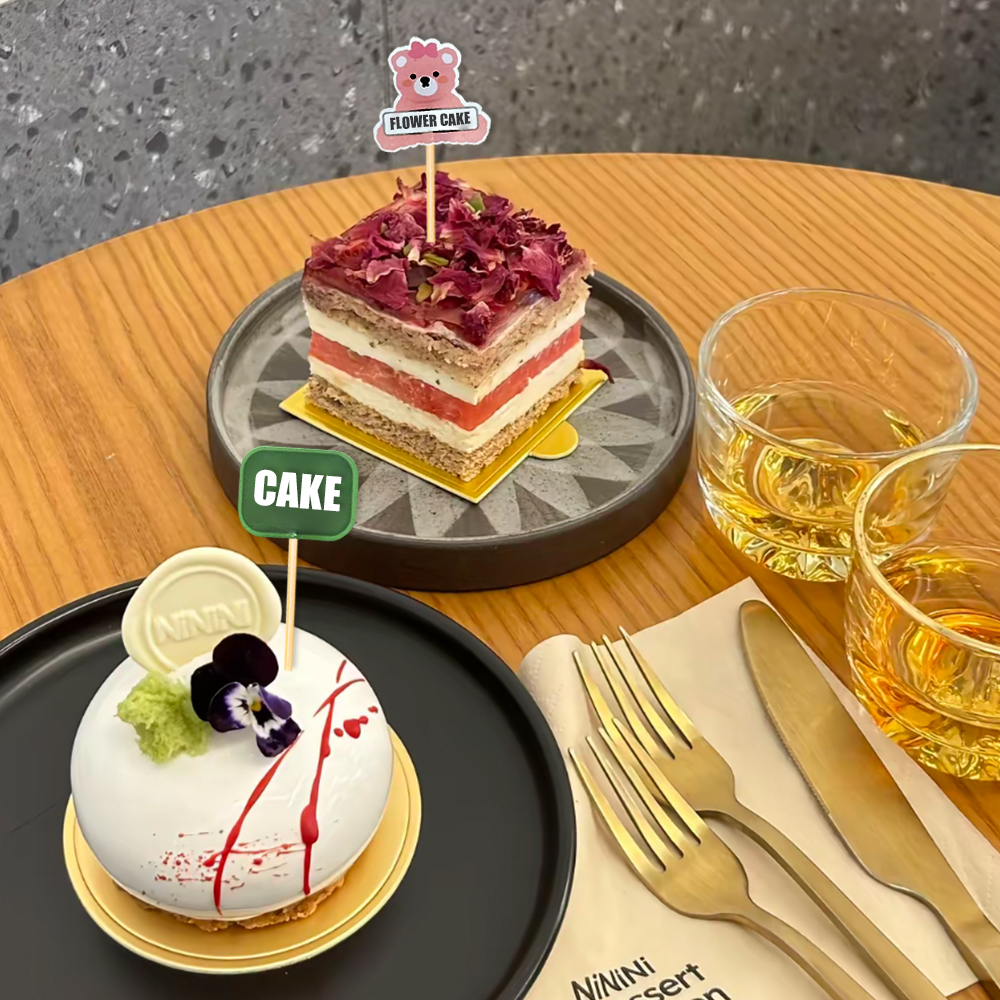
ស្លាកដែលប្រើជាប៉ាក់ធ្មេញ ជាជាងគេគឺជាធាតុដែលមានស្លាកយ៉ាងច្បាស់ ដែលអ្នកទទួលទានអាហារឃើញជាលើកចុងក្រាយមុនពេលចាប់ផ្តើមទទួលទាន។ ពេលវេលាដែលជាការប៉ះទង្វើចុងក្រាយនេះ មានសារៈសំខាន់ណាស់ ព្រោះការបង្កើតចំណាំមានកំពូលនៅពេលចាប់ផ្តើម និងចប់នៃបទពិសោធន៍មួយ—ដែលជាគោលការណ៍ដែលបានរាយការណ៍យ៉ាងច្បាស់ក្នុងផ្នែកចិត្តវិទ្យាប៉ះពាល់។ ក្នុងវិស័យសេវាអាហារ ស្លាកនេះត្រូវបានដាក់ដោយផ្ទាល់លើអាហារ ដែលជាកន្លែងដែលការយកចិត្តទុកដាក់ផ្នែកភ្លឺក៏បានផ្តោតទៅហើយ។ ការសិក្សាបានបង្ហាញថា ការរំភើបណាមួយដែលអ្នកទទួលទានអាហារបានជួបប្រទះ នៅពេលមុនពេលទទួលទាន នឹងត្រូវបានចាប់ចំណាំយ៉ាងជ្រៅ។ ពណ៌ភ្លឺរបស់វា សញ្ញាសាកល (logo) ឬសារដែលសង្ខេប បង្កើតបាននូវការប៉ះទង្វើតូចៗមួយ ដែលនៅសេសសល់បន្ទាប់ពីការទទួលទាន។ ផ្ទុយពីថង់យកទៅ ឬក្រែមសម្អាតមាត់ ដែលត្រូវបានបោះចោលឆាប់ៗ ស្លាកនេះនៅសេសសល់លើចានរហូតដល់ការទទួលទានចុងក្រាយ ដែលជួយរក្សាការមើលឃើញបានយូរ និងជួយជាប់ចំណាំអំពីម៉ាក ដោយគ្មានការរំខាន។ សម្រាប់អាជីវកម្មអាហារ នេះបំប្លែងធាតុសម្រាប់តុបតែងដែលមានប្រយោជន៍ប៉ះពាល់ ទៅជាឧបករណ៍ផ្សព្វផ្សាយម៉ាកដែលមានឥទ្ធិពលខ្ពស់ និងមានការរំខានតិចបំផុត។
ការភ្ជាប់ចំណាំផ្នែកចិត្តវិទ្យានៅពេលទទួលទាន
ការភ្ជាប់ផ្នែកចិត្តវិទ្យា គឺជាការពណ៌នាអំពីរបៀបដែលខួរក្បាលពឹងផ្អែកលើការឆ្លុះបញ្ចាំងដំបូងពីអារម្មណ៍ ដើម្បីបង្កើតការវាយតម្លៃបន្ទាប់។ ក្នុងការទទួលទានអាហារ ការភ្ជាប់នេះជាញឹកញាប់គឺជាការបង្ហាញរូបរាងនៃម្ហូប—ហើយស្លាកដែលមានម៉ាកដាក់នៅលើចំណុចដែលទទួលទានអាហារ បំប្លែងសញ្ញាម៉ាកទៅជាសញ្ញាដែលទាក់ទងនឹងរសជាតិ។ នៅពេលអ្នកទទួលទានអាហារ ស្លាកនេះនៅតែស្ថិតនៅក្នុងទស្សនវិស័យបន្ទាប់ ដែលភ្ជាប់សញ្ញាម៉ាកជាមួយនឹងរសជាតិ សារធាតុ និងការរីករាយដោយស្ម័គ្រចិត្ត។ ដោយការបង្ហាញដែលធ្វើឡើងជាបន្តបន្ទាប់ ការភ្ជាប់នេះក្លាយទៅជាស្វ័យប្រវេសន៍៖ ឈ្មោះម៉ាកនឹងកើតឡើងដោយស្វ័យប្រវេសន៍នៅពេលអតិថិជនគិតអំពីប្រភេទម្ហូបនេះ។ ឥទ្ធិពលនេះកាន់តែខ្លាំងឡើង នៅពេលស្លាកដែលមានម៉ាកគឺជា តែ ធាតុដែលមានម៉ាកតែមួយគត់នៅលើចាន—បង្កើតសញ្ញាដែលស្អាត និងមិនច្របូកច្របល់ ដែលជៀសវាងការដំណាំដោយស្មារតី ហើយចូលចិត្តចូលទៅក្នុងការចងចាំដែលមិនស្ម័គ្រចិត្ត។
ផលប៉ះពាល់ក្នុងពិភពជាក់ស្តែង៖ ការកើនឡើងនៃការស្គាល់ម៉ាកដែលអាចវាស់បាន ពីការដាក់ប្រើស្លាកដែលមានម៉ាកលើចំណុចដែលទទួលទានអាហារ
ធាតុតូចៗដែលមានស្លាកយីហោបង្កើតបាននូវផលប្រទាប់ដែលធំជាងការរំពឹងទុក ទាំងក្នុងការចូលរួមសង្គម និងការចងចាំផ្នែកទស្សនៈ។ ដោយការដាក់គ្រាប់ឈើឆ្លាក់ (toothpick flag) មួយគ្រាប់លើម្ហូបនីមួយៗ អាជីវកម្មផ្នែកអាហារបានបំប្លែងម្ហូបនីមួយៗទៅជាទ្រព្យសម្បត្តិយីហោដែលអាចចែករំលែកបាន—ដោយគ្មានការផ្លាស់ប្តូរមុខម្ហូប ឬលំដាប់ការបម្រើ។
ករណីសិក្សា៖ ការកើនឡើង ២៧% នៃការលើកឡើងដោយស្វ័យប្រវ័ត្តិនៅលើបណ្តាញសង្គមរបស់ Café Luna
សេវាកម្មកាហ្វេដែលមានទំហំមធ្យមមួយបានណែននាំគ្រាប់ឈើឆ្លាក់ប្ដូរតាមបំណងលើចានម្ហូបពេលពេលពេលថ្ងៃត្រង់ និងភេសជ្ជៈផ្សេងៗ។ ក្នុងរយៈពេលបីខែ ការលើកឡើងដោយស្វ័យប្រវ័ត្តិនៅលើបណ្តាញសង្គម—ដែលជាការបោះពុម្ពក្នុងការប្រកាសដែលមានការបញ្ជាក់ឈ្មោះកាហ្វេ ឬទីតាំងរបស់វា—បានកើនឡើង ២៧%។ ក្រុមទីផ្សារបានបញ្ជាក់ថា ការកើនឡើងនេះគឺបណ្តាលពីការកើនឡើងនៃ «សារធាតុដែលអាចចែករំលែកបាន»៖ អ្នកបរិភោគបានថតរូបម្ហូបច្រើនជាងមុន ហើយបានបោះពុម្ពរូបទាំងនោះដោយស្វ័យប្រវ័ត្តិ ដោយគ្មានការផ្សព្វផ្សាយដែលបានបង់ប្រាក់ ឬកម្មវិធីផ្តល់រង្វាន់ណាមួយ។ គ្មានធាតុយីហោផ្សេងទៀតត្រូវបានផ្លាស់ប្តូរក្នុងរយៈពេលនេះទេ។ លទ្ធផលពិតប្រាកដនេះបង្ហាញពីរបៀបដែលចំណុចប៉ះទង្គិចដែលមានតម្លៃទាប និងអាចប៉ះទង្គិចបាន អាចប្រសើរជាងសម្ភារៈផ្សព្វផ្សាយប៉ះពុម្ពប្រក្រតី ក្នុងការបង្កើតមាតិកាដែលអ្នកប្រើប្រាស់បង្កើតឡើងដោយខ្លួនឯង ដែលមានភាពស្មោះត្រង់ និងមានគោលបំណងខ្ពស់។
ការវិភាគទិន្នន័យ៖ ៦៨% នៃអ្នកបរិភោគថតរូបធាតុសម្រាប់តុបតែងអាហារដែលមានម៉ាក (របាយការណ៍ឆ្នាំ២០២៣ ស្តីពីការចូលរួមផ្នែកទស្សន៍ក្នុងវិស័យអាហារ និងភេសជ្ជៈ)
យោងតាមរបាយការណ៍ឆ្នាំ២០២៣ ស្តីពីការចូលរួមផ្នែកទស្សន៍ក្នុងវិស័យអាហារ និងភេសជ្ជៈ អ្នកបរិភោគ ៦៨% ថតរូបអាហារដែលមានធាតុសម្រាប់តុបតែងដែលមានម៉ាក ឬធាតុសម្រាប់តុបតែងផ្សេងៗ—ដែលធ្វើឱ្យគ្រឿងសម្រាប់ចាក់លើអាហារដែលមានរូបសញ្ញាម៉ាក (toothpick flags) ស្ថិតនៅក្នុងគំរូឥរិយាបថដែលមានការចូលរួមខ្ពស់។ នៅពេលដាក់ឱ្យឃើញច្បាស់លើសាលាដែលមានសាច់ កេក ឬចានផ្លែឈើ គ្រឿងសម្រាប់ចាក់លើអាហារនេះទាក់ទាញការយកចិត្តទុកដាក់ពិតប្រាកដនៅពេលដែលអ្នកបរិភោគកំពុងចូលរួមផ្នែកទស្សន៍ខ្ពស់បំផុត៖ នៅពេលបរិភោគ។ រូបថតនីមួយៗក្លាយជាការបង្ហាញឥតគិតថ្លៃ—ដែលពង្រីកការប៉ះពាល់ឆ្លងកាត់ទីតាំងរូបថត ហើយផ្តល់អត្រាប្រាក់ចំណាយក្នុងមួយការបង្ហាញទាបជាងការផ្សាយពាណិជ្ជកម្មបែបប្រក្រតីយ៉ាងច្បាស់។ ដោយសាររូបថតទាំងនេះត្រូវបានចែករំលែកដោយឯករាជ្យ វាមានសារសំខាន់ និងបរិបទផ្ទាល់ខ្លួនដែលបានបង្កើតឡើងដោយស្វ័យប្រវ័ត្តិ ដែលធ្វើឱ្យវាមានឥទ្ធិពលខ្លាំងជាងការផ្សាយពាណិជ្ជកម្មស្ថិតិ។
ប្រសិទ្ធភាពថ្លៃដើម និងសមត្ថភាពពង្រីក៖ គ្រឿងសម្រាប់ចាក់លើអាហារដែលមានរូបសញ្ញាម៉ាក (toothpick flags) ប្រៀបធៀបទៅនឹងការផ្សាយពាណិជ្ជកម្មក្នុងតំបន់បែបប្រក្រតី
ការផ្សព្វផ្សាយតាមរយៈទីផ្សារមូលដ្ឋានបែបប្រពៃណី—ដូចជា សៀវភៅផ្សព្វផ្សាយ (flyers), ផ្ទាំងផ្សព្វផ្សាយ (billboards), និងការផ្សព្វផ្សាយតាមវិទ្យុ—តម្រូវឱ្យមានការវិនិយោគដំបូងយ៉ាងច្រើន និងថ្លៃដើមដែលត្រូវបានចំណាយជាបន្តបន្ទាប់សម្រាប់ការដាក់ផ្សព្វផ្សាយ ការបោះពុម្ព និងការផលិត។ ការផ្សព្វផ្សាយតាមរយៈផ្ទាំងផ្សព្វផ្សាយមួយគ្រាប់ អាចមានតម្លៃរាប់ពាន់ដុល្លារ; នៅពេលដែលសៀវភៅផ្សព្វផ្សាយដែលបោះពុម្ពរួច វាអាចផុតកំណត់បានយ៉ាងឆាប់រហ័ស។ ផ្ទុយទៅវិញ ស្លាកដែលប្រើជាមួយចំណីអាហារ (toothpick flags) មានតម្លៃត្រឹមតែប៉ុន្មានសេនតែមួយគ្រាប់—ទោះបីជាក្នុងបរិមាណតូចៗក៏ដោយ—ដែលអនុញ្ញាតឱ្យភោជនីយដ្ឋាន និងហាងអាហារតូចៗ បង្កប់ការផ្សព្វផ្សាយម៉ាករបស់ពួកគេនៅចំណុចបរិភោគដោយផ្ទាល់ ដោយចំណាយតិចជាងមុនយ៉ាងច្រើន។ ការបញ្ជាទិញតែមួយគ្រាប់ អាចផ្តល់ស្លាកគ្រប់គ្រាន់សម្រាប់មួយរយពាន់ចាន ឬច្រើនជាងនេះ ដែលបង្កើតបាននូវចំនួនអ្នកមើល (impression volume) យ៉ាងច្រើនដោយគ្មានការចំណាយបន្តទៀត។ ការដាក់ផ្សព្វផ្សាយតាមរយៈការបញ្ចូលវត្ថុផ្សព្វផ្សាយដែលមានម៉ាក (physical branded inserts) បានផ្តល់ផលត្រឡប់ជាមធ្យម ៥,៩៧ ដុល្លារសម្រាប់រាល់ ១ ដុល្លារដែលបានចំណាយ ហើយស្លាកដែលប្រើជាមួយចំណីអាហារ (toothpick flags) មានប្រសិទ្ធភាពស្មើគ្នា ឬល្អជាងនេះទៀត។ វាមិនត្រូវការពេលវេលាដើម្បីដំឡើង គ្មានភាពចាំបាច់ប្រើថាមពលអគ្គិសនី និងគ្មានការថែទាំទេ។ សម្រាប់អាជីវកម្មអាហារដែលដំណាំដោយប្រើថវិកាផ្សព្វផ្សាយតិចតួច ការរួមបញ្ចូលគ្នារវាងភាពសមរម្យ ភាពអាចពង្រីកបាន និងឥទ្ធិពលដែលកើតឡើងដោយស្វ័យប្រវ័ត្តិ បានធ្វើឱ្យស្លាកដែលប្រើជាមួយចំណីអាហារ (toothpick flags) ក្លាយជាជម្រើសដែលមានប្រសិទ្ធភាពខ្ពស់បំផុត ជាជម្រើសជំនួសវិធីសាស្ត្រផ្សព្វផ្សាយមូលដ្ឋានបែបប្រពៃណី។
ការអនុវត្តយុទ្ធសាស្ត្រ៖ ការប៉ះទង្គិចគ្នារវាងឥទ្ធិពលនៃការធ្វើម៉ាក និងភាពស្មោះត្បាញ់នៃអាហារ
នៅពេលដែលតិចគឺច្រើន៖ ជៀសវាងការធ្វើម៉ាកហួសហេតុក្នុងបរិបទអាហារដែលផលិតដោយដៃ និងអាហារប្រភេទប្រណីត
នៅក្នុងបរិបាកស្តង់ដារខ្ពស់ ឬបរិបាកដែលផលិតដោយអ្នកជំនាញ ការប្រើប្រាស់សញ្ញាដែលមានការគ្រប់គ្រងយ៉ាងប្រុងប្រយ័ត្ន បង្ហាញពីភាពជាក់ស្តែងនៃអត្តសញ្ញាណយ៉ាងជឿជាក់—មិនមែនជាការខ្វះសញ្ញាណយ៉ាងសោះ។ ស្លាកតូចមួយដែលដាក់ដោយយកចិត្តទុកដាក់លើចំណុចណាមួយនៅលើគ្រាប់ធ្មេញ អាចបំពេញបន្ថែមដល់ម្ហូបមួយ ដោយមិនប៉ះពាល់ដល់សិល្បៈនៃការបង្កើតវា។ ការប្រើសញ្ញាយ៉ាងហោចណាស់លើប៉េស្ត្រីដែលផលិតដោយដៃ ឬភេសជ្ជៈដែលផលិតជាប៉ុន្មានចំណុចតិចៗ អាចបណ្តាលឱ្យប៉ះពាល់ដល់រឿងរ៉ាវផ្នែកធ្វើម្ហូប និងធ្វើឱ្យការស្តាប់ថា «ជាអ្វីដែលពិតប្រាកដ» ថយចុះ។ គោលដៅគឺការបញ្ចូលគ្នាដោយសំរបសំរួល មិនមែនការរំខានទេ៖ ប្រើការរចនាដែលសាមញ្ញប៉ុណ្ណោះ—ប្រហែលជាសញ្ញាសាមញ្ញមួយពណ៌ ឬពណ៌ដែលឆ្លុះបញ្ចាំងដោយស្រាលពីប៉ាឡេតពណ៌របស់ម៉ាក—ដើម្បីបញ្ជាក់ពីគុណភាពដោយមិនបង្កឱ្យមានការរំខាន។ វិធីសាស្ត្រនេះគោរពគោលបំណងរបស់អ្នកធ្វើម្ហូប ខណៈដែលនៅតែទាក់ទាញចំណាប់អារម្មណ៍។ អ្នកទស្សនានៅក្នុងបរិបាកទាំងនេះគឺគួរសមទទួលយកការគិតគូរយ៉ាងប្រុងប្រយ័ត្ន៖ ស្លាកដែលមានរសជាតិល្អ និងមិនរំខាន មានអារម្មណ៍ថាជាផ្នែកមួយនៃបទពិសេស មិនមែនជាការបន្ថែមប៉ុណ្ណោះទេ។ ម៉ាកដែលចេះប្រើប្រាស់គោលការណ៍ស៊ីជម្រៅនេះបានល្អ នឹងទទួលបានទំនុកចិត្ត ហើយប៉ះពាល់តូចមួយនេះក៏អាចក្លាយជាអ្នកតំណាងដែលស្ងៀមស្ងាត់ ដែលជួយពង្រឹងអត្តសញ្ញាណតាមរយៈភាពសាមញ្ញ និងការគោរព។
សំណួរញឹកញាប់
ហេតុអ្វីបានជាស្លាកដែលដាក់លើគ្រាប់ធ្មេញមានប្រសិទ្ធភាពសម្រាប់ការផ្សព្វផ្សាយម៉ាក?
ស្លាកដែលប្រើជាប៉ាក់ធ្មេញមានប្រសិទ្ធភាព ព្រោះវាទាក់ទាញការយកចិត្តទុកដាក់នៅពេលបរិភោគ សមស្របនឹងគោលការណ៍នៃការបង្កើតចំណាំ និងផ្តល់វិធីមួយដែលមិនរំខានដើម្បីជួយជាក់ស្តាប់ការចាំម៉ាក។
ស្លាកដែលប្រើជាប៉ាក់ធ្មេញធ្វើឱ្យការចូលរួមលើបណ្តាញសង្គមកាន់តែប្រសើរឡើងយ៉ាងដូចម្តេច?
នៅពេលបង្ហាញម៉ាកដែលទាក់ទាញ ស្លាកដែលប្រើជាប៉ាក់ធ្មេញលើកទឹកចិត្តអ្នកបរិភោគឱ្យថតរូបអាហាររបស់ពួកគេ ហើយចែករំលែកវាទៅលើអ៊ីនធឺណិត ដែលធ្វើឱ្យការមើលឃើញ និងការចូលរួមលើបណ្តាញសង្គមកើនឡើងដោយឯករាជ្យ។
តើស្លាកដែលប្រើជាប៉ាក់ធ្មេញមានតម្លៃសមរម្យទេ?
បាទ/ចាស វាមានតម្លៃគ្រាប់លើកគ្រាប់ចំនួនប៉ុន្មានសេនតែប៉ុណ្ណោះក្នុងមួយឯកតា ហើយផ្តល់ផលចំណេញខ្ពស់ ដោយបង្កើតបរិមាណការមើលឃើញច្រើន ដោយគ្មានការចំណាយបន្តសម្រាប់ការផលិត ឬថែទាំ។
តើស្លាកដែលប្រើជាប៉ាក់ធ្មេញអាចប្រើបានក្នុងបរិបទអាហារប្រកបដោយគុណភាពខ្ពស់ ឬអាហារបែបសិល្បៈទេ?
បាទ/ចាស ដោយប្រើរចនាប័ទ្មសាមញ្ញ និងមានរសជាតិល្អ វាធានាថាការផ្សព្វផ្សាយម៉ាកនឹងប៉ះពាល់ជាមួយបទពិសេសនៃការបរិភោគ ជាជាងធ្វើឱ្យវាមិនសមស្រប។
ទំព័រ ដើម
- ចិត្តវិទ្យានៃចំណុចទំនាក់ទំនងតូចៗដែលមានម៉ាក៖ របៀបដែលគ្រាប់ចំណាំងបណ្តាលឱ្យចាំបាន
-
ផលប៉ះពាល់ក្នុងពិភពជាក់ស្តែង៖ ការកើនឡើងនៃការស្គាល់ម៉ាកដែលអាចវាស់បាន ពីការដាក់ប្រើស្លាកដែលមានម៉ាកលើចំណុចដែលទទួលទានអាហារ
- ករណីសិក្សា៖ ការកើនឡើង ២៧% នៃការលើកឡើងដោយស្វ័យប្រវ័ត្តិនៅលើបណ្តាញសង្គមរបស់ Café Luna
- ការវិភាគទិន្នន័យ៖ ៦៨% នៃអ្នកបរិភោគថតរូបធាតុសម្រាប់តុបតែងអាហារដែលមានម៉ាក (របាយការណ៍ឆ្នាំ២០២៣ ស្តីពីការចូលរួមផ្នែកទស្សន៍ក្នុងវិស័យអាហារ និងភេសជ្ជៈ)
- ប្រសិទ្ធភាពថ្លៃដើម និងសមត្ថភាពពង្រីក៖ គ្រឿងសម្រាប់ចាក់លើអាហារដែលមានរូបសញ្ញាម៉ាក (toothpick flags) ប្រៀបធៀបទៅនឹងការផ្សាយពាណិជ្ជកម្មក្នុងតំបន់បែបប្រក្រតី
- ការអនុវត្តយុទ្ធសាស្ត្រ៖ ការប៉ះទង្គិចគ្នារវាងឥទ្ធិពលនៃការធ្វើម៉ាក និងភាពស្មោះត្បាញ់នៃអាហារ
- សំណួរញឹកញាប់