EN
EN




News
Box Sleeve vs Full Box
Against the backdrop of tightening global carbon-emission regulations and rising logistics costs, secondary packaging has evolved from a passive wrapping component into a core lever for enterprises to control costs, fulfill sustainability commitments and upgrade brand experience. Across global manufacturing and cross-border e-commerce industries, procurement and logistics teams are re-evaluating two mainstream secondary-packaging solutions: box sleeve and traditional full-coverage box. Industry analysts point out that choosing between these two options is no longer a simple aesthetic decision, but a comprehensive technical trade-off covering material science, transit protection, automated production efficiency and circular-economy compliance.
As supply-chain operations face mounting pressure in 2026, enterprises are chasing dual goals: cutting comprehensive operating expenditure and hitting aggressive sustainability KPIs. Many brands have fallen into the misunderstanding that “one packaging format fits all scenarios”. In fact, box sleeves and full-coverage boxes each carry unique engineering strengths, and their application boundaries are becoming increasingly clear amid complex multi-modal global transportation.
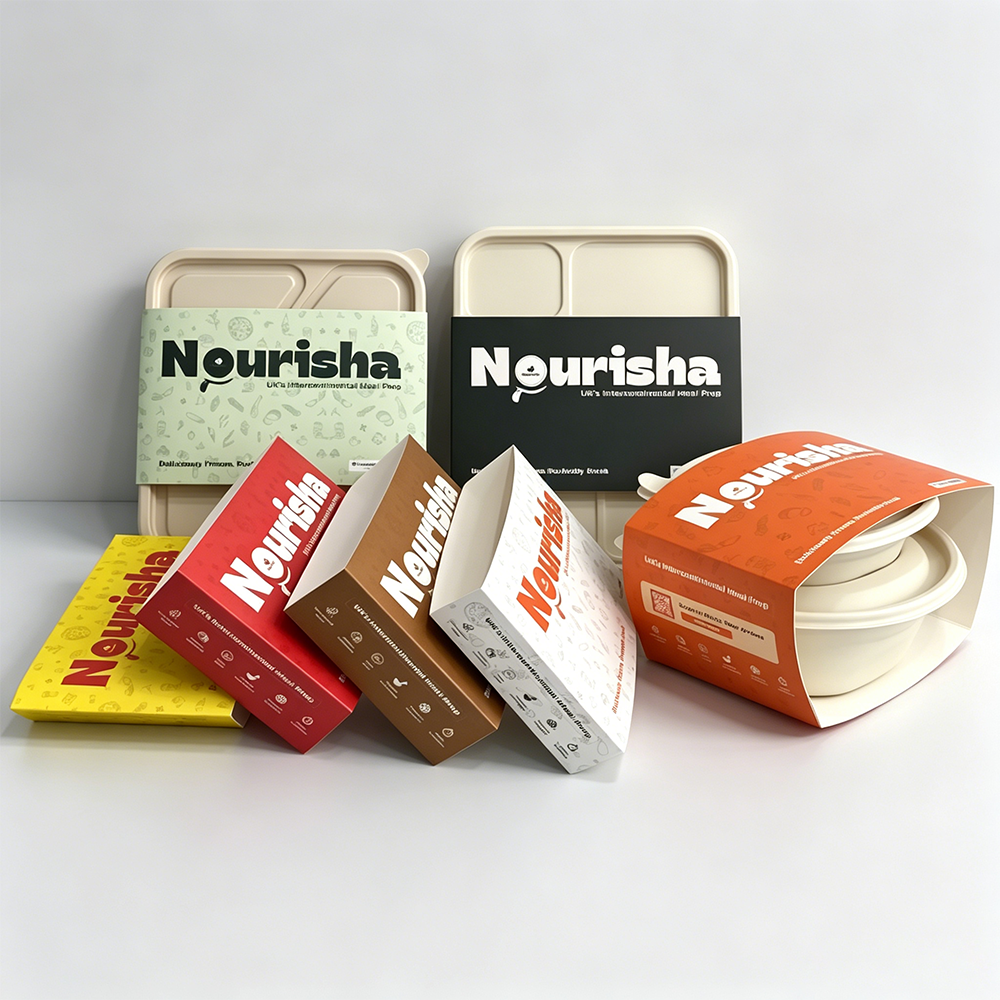
Box Sleeve: Lean-Structure Packaging Gains Traction for High-Volume Automated Production
The box sleeve is often misclassified as merely a decorative paper band. Packaging engineering experts highlight that a precisely manufactured box sleeve is a lean-mode secondary-packaging solution built for modern high-throughput distribution.
Constructed from high-density fiberboard, the box sleeve forms localized impact-resistant reinforcement around the mid-section of primary containers. During cross-border delivery involving trucks, vessels and air freight, goods constantly suffer vibration, collision and displacement. Instead of wrapping the whole product, the sleeve concentrates structural support on stress-bearing positions, keeping inner primary containers aligned and stable throughout volatile transit.
This targeted protection design delivers tangible industrial-level benefits. First, it greatly cuts fiber consumption and overall packaging weight. Reduced material usage lowers raw-material spending, while lighter package weight brings down ocean and air freight expenses, directly shrinking corporate carbon footprints. Second, it preserves partial product visibility for end-consumers. Buyers can view part of the original primary package, while brand logos, color schemes and marketing information printed on the sleeve deliver sharp visual impact. This feature makes box sleeves widely adopted for ready-meal containers, cosmetic sets and retail gift kits for e-commerce exports.
From the perspective of automated assembly lines, box sleeves show prominent advantages. High-speed packaging machinery can slide the pre-produced sleeve over finished primary containers with minimal mechanical interference. Complicated folding, gluing and sealing steps are eliminated, lowering per-unit processing time and supporting large-batch high-speed production.
Nevertheless, industry practitioners remind enterprises of its limitations. Box sleeves cannot deliver 360-degree environmental isolation. They fail to block moisture, dust or heavy external compression. Therefore, they are not fit for heavy-weight, fragile or high-value products under unpredictable harsh shipping conditions.
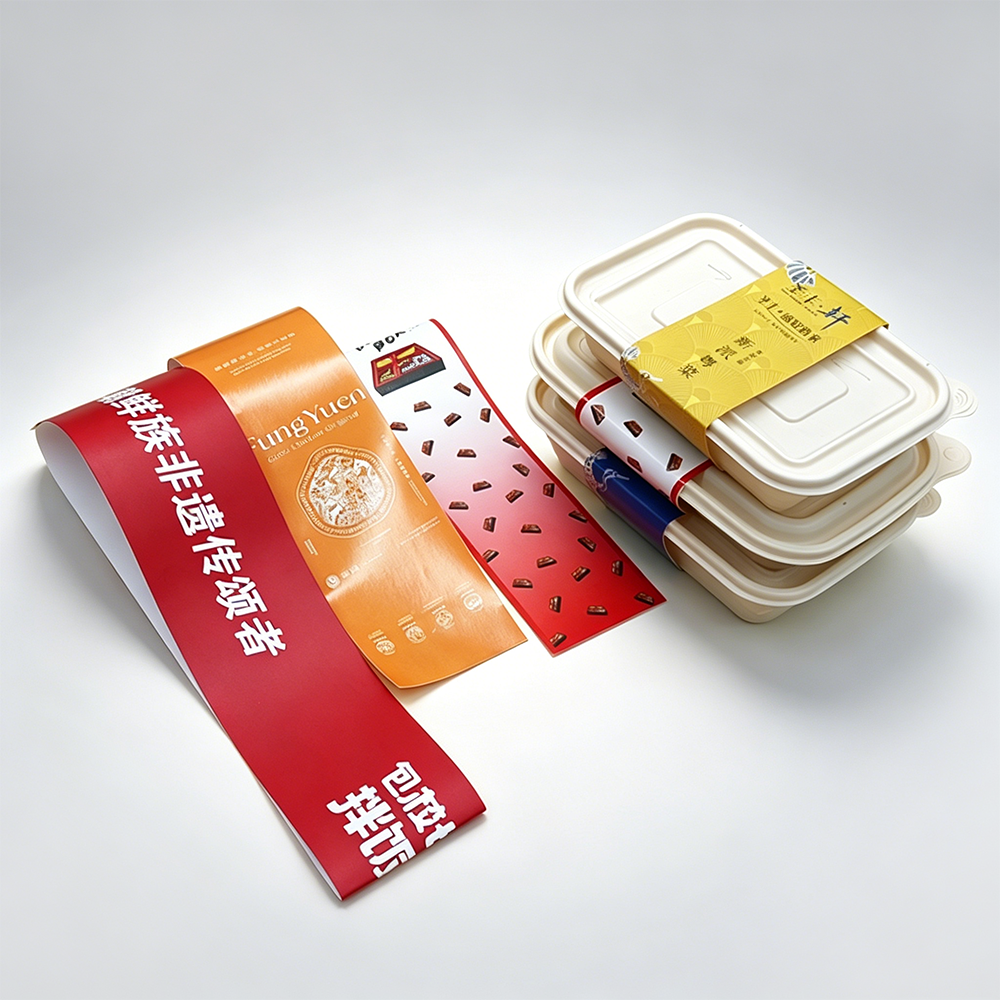
Full-Coverage Box Remains the Gold Standard for High-Risk Global Circulation
For commodities facing severe transit risks, the full-coverage box still stands as the most reliable engineering choice.
A complete closed-box structure builds an all-round physical barrier, shielding internal goods from moisture intrusion, dust pollution and mechanical shock. For fragile glassware, heavy hardware and high-end electronic products circulating across worldwide distribution networks, the rigid structure of full boxes provides enough counter-pressure to cope with repeated loading, unloading and handling procedures.
Another core advantage lies in its large continuous printing surface. Exporters can print regulatory compliance marks, safety warnings, multi-language technical specifications and complete brand storytelling content. This is particularly critical for goods sold in regions with strict import-compliance rules.
Yet full-coverage boxes come with obvious costs. They consume far more fiber raw materials. Production workflows include die-cutting, multi-direction folding, gluing and sealing, adding complexity to automated lines and lifting unit-manufacturing costs. On the positive side, their regular geometric shape supports precise pallet stacking, greatly improving warehouse storage density and container loading rate, which brings outstanding value for bulk inventory management.
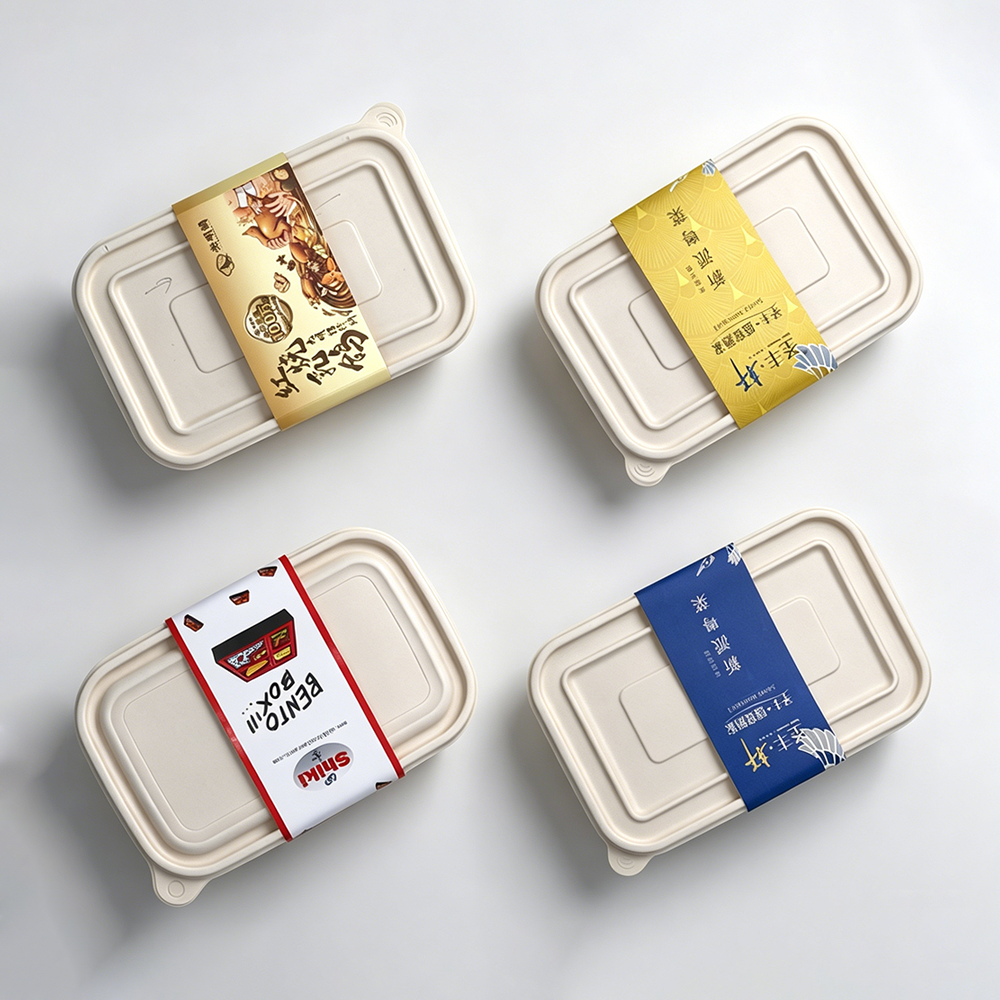
Balancing Logistics Capacity, Circular Economy and Practical Application
Logistics directors need to weigh multiple dimensions when making purchasing decisions. Box sleeves optimize assembly speed for mass-volume orders, while full-coverage boxes excel in high-density warehouse stacking.
Driven by circular-economy requirements, material efficiency has become a non-negotiable assessment indicator. Compared with full boxes, box sleeves realize remarkable fiber reduction, cutting energy consumption during paper manufacturing and transportation cycles. For enterprises advancing carbon-neutral roadmaps, box sleeves serve as a practical technical tool to fulfill environmental obligations without sacrificing brand visual performance.
Packaging engineers advise procurement teams to select non-synthetic-coated substrates for box-sleeve sourcing. Uncoated fiber materials can smoothly enter mainstream overseas recycling streams, avoiding recyclability risks brought by plastic-coated paper. Optimized material utilization has become an important symbol of mature, data-driven global supply-chain management.
There is no universal winning solution between box sleeve and full-coverage box. Market participants shall select packaging forms according to product attributes, transit risk levels, production-line conditions, warehousing modes and carbon-reduction targets. As global logistics and environmental regulations keep evolving, secondary packaging will continue to be a key research subject for cross-border merchants. Partnering with professional packaging manufacturers will help companies turn packaging from cost expenditure into differentiated competitive strength in international markets.